

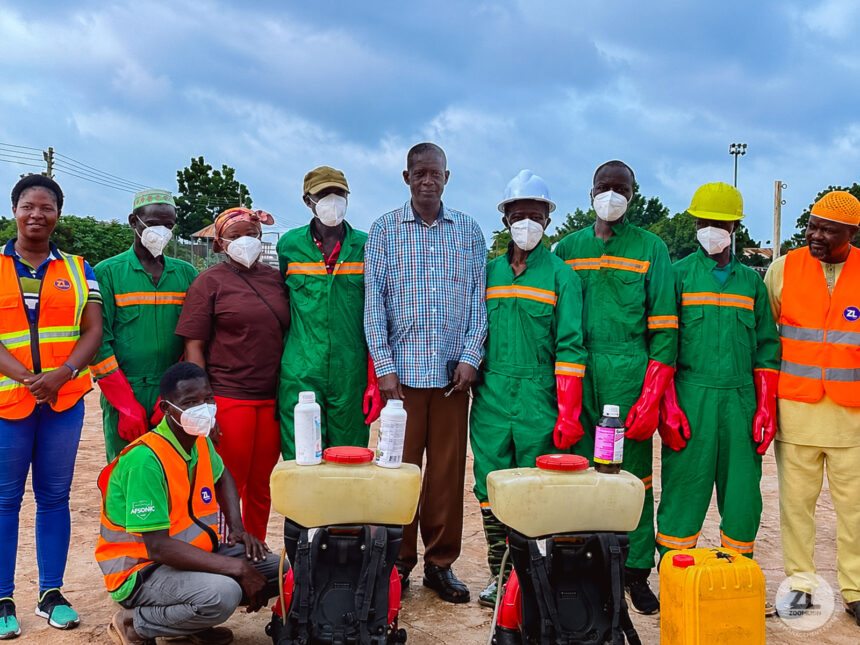
A region-wide exercise targeting hospitals, schools, markets, public toilets and other high-traffic facilities to strengthen environmental sanitation and reduce disease risks has commenced in the North East Region.
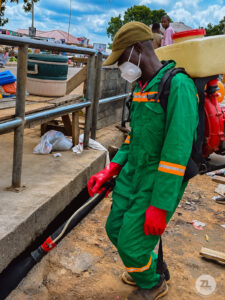
Zoomlion Ghana Limited, in partnership with Municipal and District Assemblies across the North East Region, has intensified efforts to protect public health through a comprehensive fumigation and disinfection exercise targeting critical public facilities and high-traffic areas across the region.
Related Stories

The intervention, which forms part of broader national efforts to improve environmental sanitation and public health, is being implemented across major communities including Walewale, Nalerigu, Gambaga, Bunkprugu, Chereponi, Yagaba-Kubori and Yunyoo-Nansua.
Facilities and public spaces being covered include hospitals, CHPS compounds, market centres, public toilets, schools, government bungalows and lorry parks.
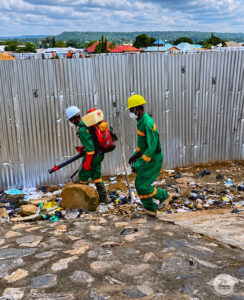 The exercise is designed to help control disease vectors, improve environmental hygiene and reduce conditions that can contribute to the spread of diseases such as cholera, malaria and typhoid.
Speaking on the exercise, Abdulai Safian, Regional Manager of Zoomlion Ghana Limited, reaffirmed the company’s commitment to supporting government institutions and local authorities in addressing Ghana’s environmental sanitation challenges.
He said the company’s participation in the exercise demonstrates Zoomlion’s broader commitment to using its operational expertise, human resources and technical capacity to support healthier and more resilient communities.
At Zoomlion, we believe that environmental sanitation is fundamental to public health and national development. We are therefore committed to working closely with government, local authorities and communities to ensure that our public spaces are safe, clean and healthy,” Safian said.
He added that while fumigation and disinfection were important interventions, their impact would be significantly enhanced when communities adopted responsible sanitation and hygiene practices.
The sustainability of these interventions requires collective action. Government and service providers can provide the necessary infrastructure and technical support, but every citizen has a role to play in keeping our communities clean and preventing practices that create conditions for disease outbreaks,” he added.
Representing the West Mamprusi Municipal Chief Executive, Mohammed Rabiu Jabbah, the Municipal Environmental Health Officer, Faustinus Anchamba, described the exercise as an important component of the municipality’s broader environmental health strategy.
He stressed that sanitation could not be treated solely as a government responsibility and called on residents to complement the efforts of the authorities by maintaining clean surroundings and observing proper hygiene practices.
Sanitation is not merely a government obligation; it is a collective responsibility,” Mr. Anchamba said.
He urged residents to take ownership of their communities and sustain the benefits of the exercise by properly disposing of waste and maintaining hygienic surroundings.
The Regional Environmental Health Director, Osuman Alebira, said sanitation interventions undertaken through the National Sanitation Day programme had contributed to improving environmental health conditions in the region.
He, however, noted that sustaining these improvements would require continuous investment, adequate resources and stronger collaboration among stakeholders.
According to him, periodic fumigation and sanitation exercises were important for addressing immediate environmental health concerns, but the long-term objective should be the development of a sustainable sanitation system capable of maintaining clean and healthy communities throughout the year.
We have seen improvements from these interventions, but sustainability remains critical. We need to move beyond periodic exercises and strengthen the systems, resources and community behaviours that will enable us to maintain these gains over time,” Alebira said.
Residents across the beneficiary communities have welcomed the fumigation and disinfection exercise, expressing optimism that it will contribute to safer and healthier public spaces.
The exercise is particularly significant in densely populated areas and locations with high human traffic, including markets, schools, lorry parks and public toilet facilities, where poor environmental conditions can increase public health risks.
Community members have consequently been encouraged to maintain the cleanliness of the treated areas and support ongoing sanitation efforts by adopting responsible waste disposal and hygiene practices.
A Shared Commitment to Cleaner Communities
The North East Region exercise underscores the importance of public-private collaboration in tackling Ghana’s environmental sanitation challenges.
For Zoomlion Ghana Limited, the intervention forms part of its longstanding commitment to supporting national and local efforts aimed at improving sanitation, protecting public health and creating cleaner communities.
 The company maintains that sustainable environmental sanitation requires a coordinated approach involving government institutions, local authorities, private-sector service providers and, most importantly, the communities themselves.
Through continued collaboration and responsible community participation, stakeholders believe the gains from the exercise can be sustained and contribute to reducing the environmental conditions that facilitate the spread of preventable diseases.