

The planned improvements include the clearing of refuse heaps, installation of new communal waste containers and the deployment of uniformed sanitation workers across communities.
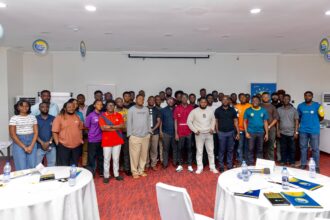
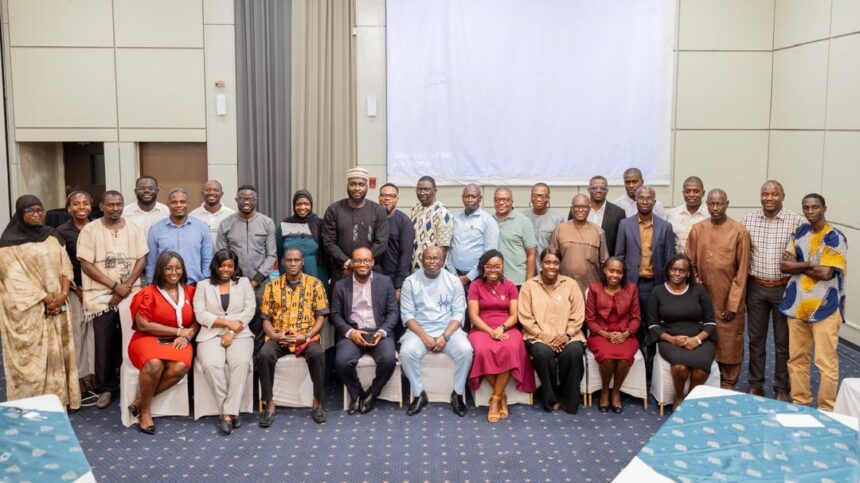
The commitment was made at a two-day strategic workshop held at The Kairaba Beach Hotel on November 9 and 10, 2026. The workshop brought together government institutions, the three Greater Banjul councils and the Jospong Group of Companies (JGC), through its subsidiaries Zoomlion Gambia and local partner Niro Company Limited.
The concession, which took effect on October 28, 2026, is being implemented in phases, with the first phase covering Banjul, Kanifing and Brikama. Other councils are expected to be incorporated as the project progresses.
Delivering the keynote address, Dr. Alexander Kumi-Larbi Jnr, International Business Director of JGC, described effective waste management as a national responsibility and a strategic investment rather than an expense.
 He said investment in waste management could generate significant economic and social returns, citing estimates that every dollar invested could yield seven dollars in benefits.
No single ministry, council or company can deliver a cleaner Gambia alone. This is a national agenda, and it will succeed only if every partner in this room carries their share of the responsibility,” he said.
Representatives of the three councils outlined some of the operational challenges affecting sanitation services, including ageing workforces, frequent breakdowns of waste collection vehicles and inadequate facilities at major dumpsites such as Mile 2, Bakoteh and Tambana.
Under the concession arrangement, the private operator will be responsible for financing, constructing, equipping and operating the required infrastructure, with payments tied to the availability of the services.
Abdulai Puye of the Public-Private Partnership (PPP) Directorate explained that a contract management committee, chaired by the Ministry of Finance, would meet quarterly to monitor implementation and ensure that all parties fulfilled their contractual obligations.
Enforcement of sanitation regulations also emerged as a major issue during the discussions, with participants stressing the need to strengthen compliance with existing environmental laws.
Abdou Hydara of the National Environment Agency (NEA) proposed a 100-day programme of joint inspections involving the agency and the councils.
 He said enforcement should begin immediately using existing anti-littering laws rather than waiting for new by-laws to be introduced.
We will not wait for new by-laws before acting. The law that exists today is enough to start, and NEA will work side by side with the councils to enforce it,” he said.
The second day of the workshop featured presentations from officials associated with Nairobi City County and Zoomlion Kenya, who shared lessons from Kenya’s experience with a similar waste-management partnership.
The Nairobi delegation reported progress in clearing major legacy waste heaps but identified changing public attitudes and improving waste-disposal habits as more demanding and continuous aspects of the exercise.
Clearing the dumpsites was the easy part. Changing how people think about waste is the real work, and it never stops,” the Director of the Environment Department at Nairobi City County said.
George Manu and Henrietta Baiden also presented the integrated waste-management system proposed for The Gambia.
The system will cover waste collection, transfer stations, a material recovery facility at Tambana, composting, recycling and engineered disposal. It is intended to replace the practice of open dumping and burning with a more structured approach to waste management.
Participants further emphasised the importance of integrating existing waste collectors, recyclers and informal waste pickers into the new arrangement to ensure that they were not displaced by the concession.
They also called for local recruitment, skills development and staff retention to build the capacity needed to sustain the system.
At the end of the workshop, each participating institution developed a 100-day action plan outlining its responsibilities towards the implementation of the concession.
The individual plans will be refined with measurable targets and consolidated into a single implementation document to guide the partners.
Lamin Fatty of the PPP Directorate delivered the closing remarks, while Vanessa Katsekpor, Country Representative, expressed appreciation to participants in a vote of thanks.