

Telecel Ghana is committing about US$5 million to support the government’s One Million Coders Programme, with plans to provide free digital skills and coding training to 100,000 Ghanaians over the next four years.
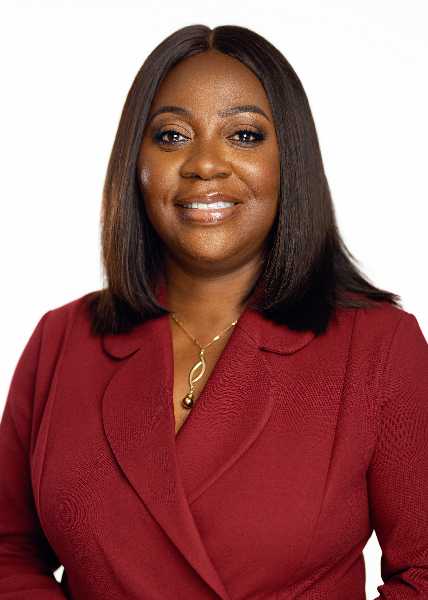
Chief Executive Officer of Telecel Ghana, Patricia Obo-Nai, said the initiative formed part of the company’s commitment to developing Ghana’s digital talent pipeline and preparing young people for opportunities in an increasingly technology-driven economy.
Related Stories
She disclosed this in an interview on the sidelines of the 7th Biennial Human Resource Conference organised by the Ghana Chamber of Mines in Accra, where she spoke about the need to place human intelligence and skills development at the centre of Ghana’s digital transformation.
Obo-Nai said Telecel had made its training platform available to support the government’s flagship digital-skills initiative, with approximately 25,000 people already signed on to the programme.
We have offered to train 100,000 people. So over the next few years, in fact, they have started. We have 25,000 people who have signed on to the programme,” she said.
According to her, the training normally attracts a cost of about US$50 per participant, meaning the company’s commitment to train 100,000 people represents an investment of approximately US$5 million in Ghanaian talent.
If we train 100,000, it is about $5 million investment that we are putting into talent and the future of this country,” Obo-Nai said.
The initiative forms part of the government’s One Million Coders Programme, which seeks to equip one million Ghanaians with practical coding and digital technology skills to improve employability, entrepreneurship and participation in the digital economy. The programme has been rolled out nationally, with training and learning centres being established across the country.
Building Ghana’s digital talent pipeline
Obo-Nai said investment in digital skills was particularly important as artificial intelligence, automation and other emerging technologies continued to reshape the nature of work.
She argued that the growth of AI should not lead to a narrow conversation about machines replacing people, but should instead encourage greater investment in human capabilities.
According to her, the future of work would require people who could combine technological knowledge with creativity, critical thinking, innovation and other uniquely human capabilities.
She also disclosed that Telecel was equipping its own employees with about 14 digital skills, emphasising the need for HR departments to understand emerging technologies if they were to effectively guide their organisations through digital transformation.
If HR is not versed in such a thing, how would they guide the people to be able to do it?” she asked.
Human intelligence remains critical
Obo-Nai stressed that the development of digital skills must go hand in hand with the development of human intelligence.
She said AI could make different functions more effective but could not replace the human qualities required to drive meaningful innovation and social and economic development.
She identified creativity, innovation, analytical thinking, critical thinking, resilience and sustainability as important capabilities that people must continue to develop alongside technical skills.
This is the value that human intelligence has to add to artificial intelligence for us to drive the real change,” she said.
“You cannot take one and leave the other. So when people say AI is coming to take our jobs, I question that. We will need human intelligence to match the capabilities of AI to drive the real change.”
The One Million Coders Programme is therefore being positioned as part of Ghana’s broader effort to create a future-ready workforce, with the government describing the initiative as a means of equipping citizens with industry-relevant digital skills and strengthening the country’s position as a technology hub.
Obo-Nai said partnerships between government and the private sector would be essential to achieving that objective, stressing that investments in people and skills represented investments in Ghana’s long-term economic future.