

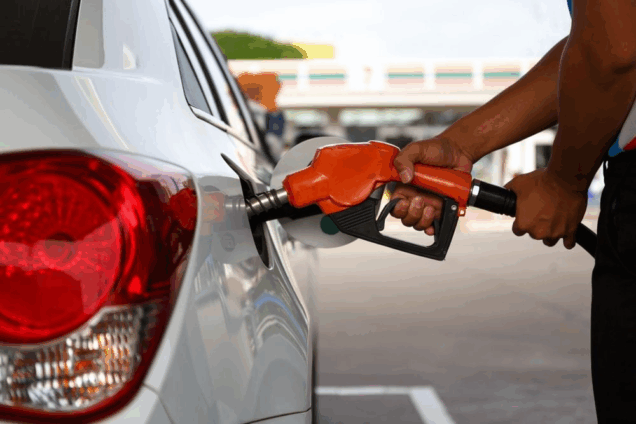
The government has absorbed GH¢2 per litre of diesel starting Tuesday, August 4, 2026, in a fresh intervention aimed at cushioning consumers from rising fuel prices.
The intervention, which applies only to diesel, comes as pump prices approach GH¢19 per litre at some fuel stations following fresh upward adjustments by Oil Marketing Companies (OMCs) during the first pricing window of August.
Related Stories

There will be no corresponding government support for petrol under the latest intervention.
The move marks the second time the government has intervened to cushion consumers from rising petroleum prices amid higher international petroleum product prices linked to tensions in the Middle East and pressure on the cedi.
The latest increases have heightened concerns over the impact of fuel prices on transport fares, logistics costs and the prices of goods and services, particularly for businesses and transport operators that rely heavily on road transportation.
Pump prices rise
At Star Oil, petrol is currently selling at GH¢15.57 per litre, up from GH¢14.53 at the beginning of the August pricing window.
Diesel is being sold at GH¢18.97 per litre, compared with GH¢18.77 at the start of the window.
Star Oil has revised its fuel prices twice since the beginning of the current pricing window, citing changes in international petroleum product prices, the prevailing exchange rate and the latest adjustment to the National Petroleum Authority’s price floor.
At state-owned GOIL outlets, petrol is selling at GH¢15.99 per litre, while diesel is priced at GH¢19.26. Super XP 95 is selling at GH¢17.30 per litre.
At Shell outlets, petrol is priced at GH¢16.29 per litre, with diesel selling at GH¢19.49.
TotalEnergies is selling petrol at GH¢14.99 per litre and diesel at GH¢17.98.
Oil market may offer some relief
Despite the immediate pressure on domestic fuel prices, the Chief Executive Officer of the Chamber of Bulk Oil Distributors (CBOD), Dr Patrick Kwaku Ofori, is optimistic that fuel prices could begin to decline in the coming weeks if the recent stability in the global crude oil market is sustained.
Dr. Ofori attributed the improved outlook partly to easing geopolitical tensions following a ceasefire agreement between the United States and Iran, which he said had started to influence international oil prices and market sentiment.
Speaking on the Citi Breakfast Show on Monday, August 3, he said the reduction in geopolitical risk had encouraged traders to become more optimistic about the stability of global oil supplies.
With the signals that we are getting and if we can keep Trump by his words, then I think things are going to calm down per what he has stated that they [US and Iran] are having a ceasefire until diplomatic agreement comes to bear,” Dr Ofori said.
He explained that uncertainty surrounding the conflict had contributed significantly to volatility in the international oil market, with crude prices experiencing sharp movements within a short period.
But if you checked the last two weeks, it was really fatal and very volatile because at a point in time, there were changes from $75 to $100 per barrel,” he noted.
Dr. Ofori’s comments suggest that sustained easing of geopolitical tensions could provide some relief to consumers in Ghana, particularly if international crude and refined petroleum product prices continue to moderate.
However, the extent to which lower global prices translate into cheaper fuel at Ghanaian pumps will also depend on the exchange rate and other components of the domestic fuel pricing formula.
Businesses brace for higher costs
The latest fuel price increases are already raising operating costs for commercial transport operators and businesses that depend heavily on road transportation for the movement of people and goods.
Transport operators could face pressure to increase fares as higher diesel prices raise the cost of running commercial vehicles.
Businesses could also pass some of the additional fuel and logistics costs on to consumers through higher prices for goods and services.
For households, the major concern is the potential ripple effect of higher fuel prices on transportation, food distribution and other essential services.
GH¢2 intervention offers temporary relief
The effectiveness of the government’s diesel intervention will depend largely on how much of the GH¢2-per-litre relief is reflected in pump prices and how long the support is maintained.
While the intervention is expected to provide immediate relief to diesel users, continued volatility in international crude oil and refined petroleum product prices could keep Ghana’s domestic fuel prices under pressure in subsequent pricing windows.
The performance of the cedi against major international currencies will also remain a critical factor in determining future pump prices.
For now, consumers face a mixed outlook: immediate relief from the government’s GH¢2-per-litre diesel intervention, alongside the possibility of lower fuel prices in the coming weeks if global oil market conditions continue to stabilise.