

The Ghana Chamber of Mines has called for a balanced mining fiscal framework that delivers fair public revenues and tangible community benefits while sustaining the investment needed to secure the industry’s future.
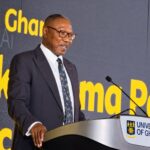
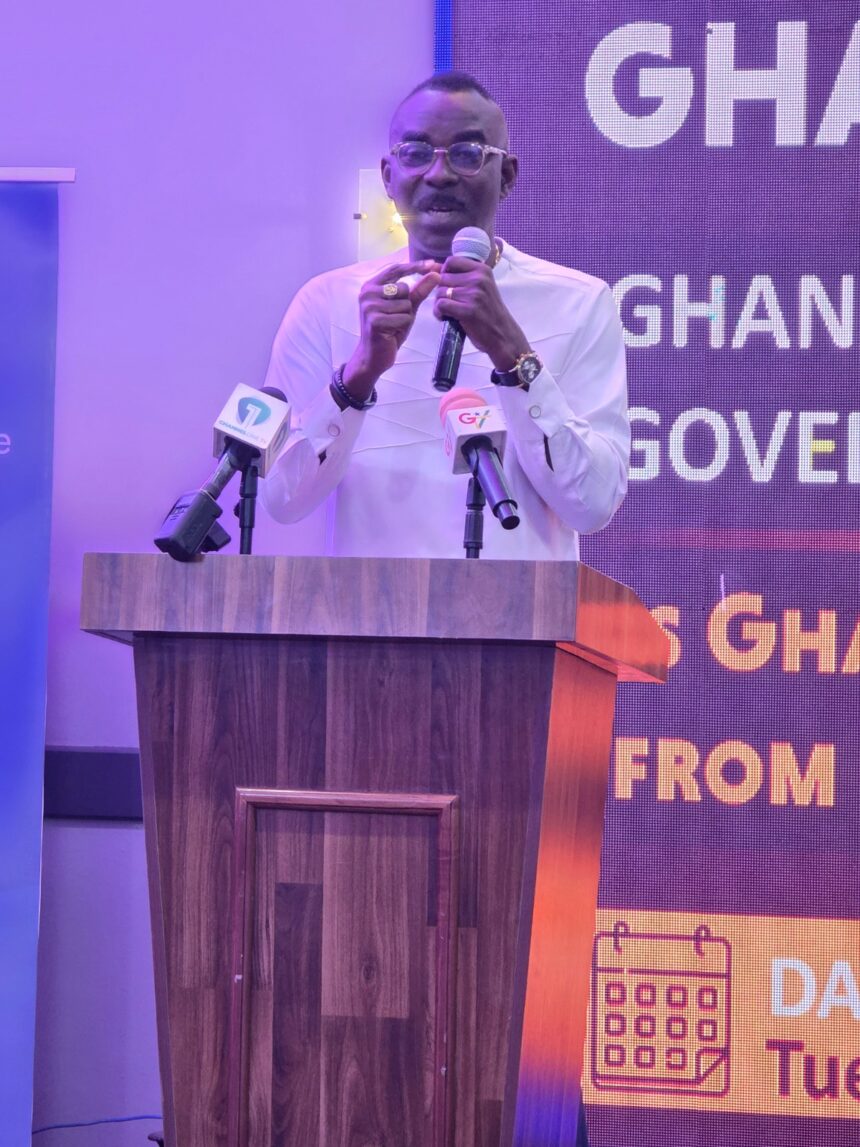
The Chamber’s Chief Operating Officer, Ahmed Dasana Nantogmah, said Ghana’s success in maximising mineral wealth should be measured by both the revenues collected today and the lasting economic opportunities created for the country.
Related Stories
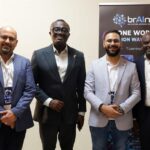
He was speaking at a civil society dialogue organised in partnership with the Natural Resource Governance Institute (NRGI) under the theme, “Ghana’s Mining Fiscal and Revenue Governance Architecture: Is Ghana Maximising Value from Its Mineral Wealth?”
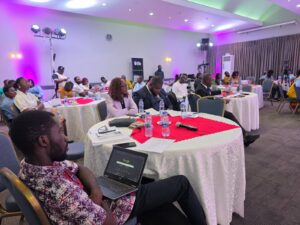 Nantogmah described investors, communities and government as three interdependent pillars whose interests must be considered together.
Investors, communities and government form the mining tripod. Each must derive value through fair returns, improved livelihoods and sustainable public revenues. Our goal should be to maximise and fairly share that value; squeezing one leg weakens the whole,” he said.
He stressed that efforts to increase government revenue must preserve the conditions needed for exploration, mine development, continued production and employment. A stable, transparent and predictable fiscal and regulatory framework would help Ghana secure a fair return while encouraging reinvestment and protecting future revenue streams.
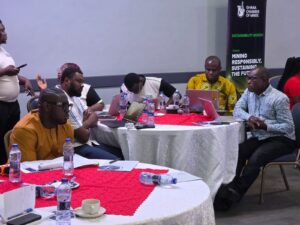 Nantogmah also emphasised that effective environmental governance, transparent regulation, responsible gold trading and investment competitiveness must advance together. These priorities, he said, reinforce one another and should guide reforms across the sector.
He urged stakeholders to examine the full chain of value creation, from mineral development and revenue collection to the allocation and use of those revenues. The ultimate test, he noted, is whether mineral wealth translates into better livelihoods, stronger institutions and sustainable development, particularly in mining communities.
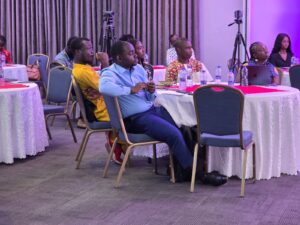 On collaboration, Nantogmah said civil society’s research, scrutiny and community perspectives complement industry’s practical operating experience. Constructive engagement between these groups and government could help test assumptions, identify weaknesses and develop workable policy responses.
He reaffirmed the Chamber’s commitment to evidence-based dialogue and encouraged participants to question assumptions, listen to differing perspectives and identify practical areas for cooperation.
The dialogue provided a platform for stakeholders to assess Ghana’s mining fiscal and revenue governance framework and explore how the country can create greater value from its mineral resources and share the benefits fairly