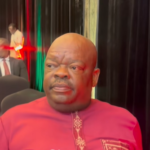


Climate communication specialist and media practitioner, Kofi Ahovi, has called for stronger international collaboration to accelerate climate action, saying global partnerships will be crucial in translating commitments made under World Environment Day priorities, the Climate Change Action Now (CCAN) initiative and the post-COP29 agenda into tangible outcomes.
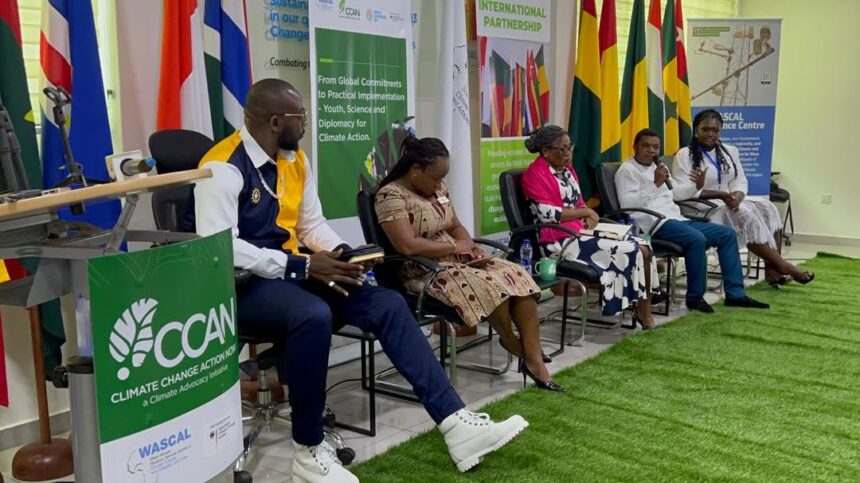
Speaking at WASCAL’s Intergenerational Panel Conversation held to mark World Environment Day, Ahovi said international cooperation offers significant opportunities for Ghana, West Africa and other developing regions to access climate finance, technology, research partnerships and capacity-building support needed to tackle the growing impacts of climate change.
Related Stories

The dialogue was held under the theme, “From Global Commitments to Practical Implementation: Youth, Science and Diplomacy for Climate Action.”
According to Ahovi who also doubles as the Editor of Business Week Ghana, one of the most immediate benefits of international collaboration is improved access to climate finance following renewed global commitments to support developing countries in addressing climate challenges.
He noted that partnerships with multilateral institutions, development banks, donor countries and private investors could help mobilise resources for renewable energy projects, climate-resilient infrastructure, ecosystem restoration and community adaptation programmes.
One of the most significant opportunities is improved access to international climate finance. These partnerships can help mobilise resources for adaptation and mitigation projects that directly improve resilience and livelihoods,” he said.
Ahovi also highlighted the importance of technology transfer and innovation, arguing that international cooperation can help countries gain access to advanced climate technologies that may otherwise be difficult or expensive to acquire.
He identified early warning systems, climate-smart agriculture technologies, renewable energy solutions, water conservation systems and digital environmental monitoring tools as areas where collaboration could deliver substantial benefits.
The media practitioner further underscored the need for strengthened scientific cooperation, saying climate action must be driven by evidence-based research and data.
He explained that partnerships between African institutions and global research organisations could facilitate joint studies, improve climate forecasting, enhance data collection and support the development of informed climate policies.
According to him, this approach aligns closely with WASCAL’s mission of transforming climate science into practical and scalable solutions for communities across West Africa.
Ahovi also advocated for greater investment in nature-based solutions, noting that ecosystem restoration and conservation initiatives remain among the most effective tools for addressing climate change.
He pointed to opportunities in reforestation, mangrove restoration, wetland conservation, biodiversity protection and sustainable land management, stressing that such interventions can simultaneously improve food security, protect livelihoods and strengthen environmental resilience.
The role of young people in driving climate action also featured prominently in his presentation.
He said international partnerships can create pathways for climate leadership training, scholarships, exchange programmes, research fellowships and green entrepreneurship initiatives that empower the next generation of climate leaders.
Climate action increasingly depends on the participation of young people. We must create opportunities that equip them with the skills, knowledge and resources needed to lead sustainable transformation,” he stated.
Ahovi further called for stronger partnerships between the media, environmental organisations and international communication networks to improve climate literacy and public awareness.
He said enhanced climate communication could help combat misinformation, promote sustainable practices and encourage citizen participation in climate action efforts.
The World Environment Day event brought together policymakers, diplomats, researchers, development partners, media practitioners, entrepreneurs and youth leaders to explore practical pathways for implementing climate solutions across Ghana and West Africa.
Concluding his remarks, Ahovi stressed that the future of climate action depends on collective effort and coordinated implementation rather than isolated national initiatives.
The greatest opportunity lies in transforming climate action from a collection of national efforts into a coordinated global partnership. Through collaboration, we can build a more resilient and sustainable future for West Africa and the world,” he said.