


Domestic travellers continue to account for the vast majority of guests using accommodation facilities in Ghana, but foreign visitors generally stay longer, highlighting an opportunity to increase tourism revenue by encouraging longer visits.
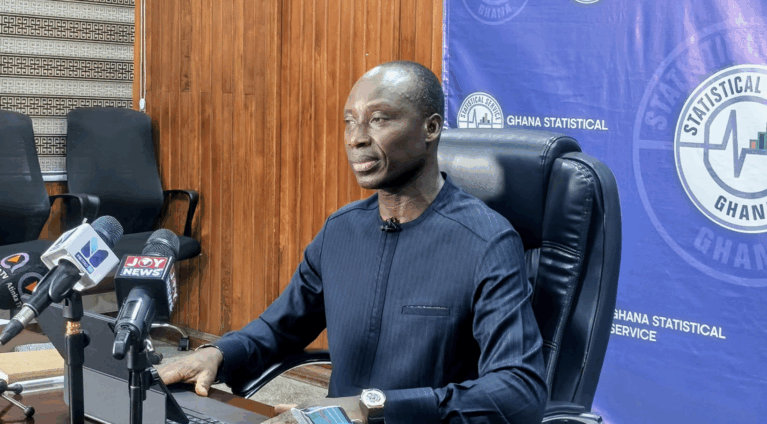
This is contained in the Ghana Statistical Service (GSS) Accommodation Unit Survey, covering the period from November 2024 to February 2025.
Related Stories

The survey found that domestic guests significantly outnumbered foreign visitors at accommodation establishments during the four-month period.
Monthly numbers of domestic guests ranged from about 1.87 million to 2.17 million, compared with fewer than 40,000 foreign guests per month.
Despite the significant difference in volume, foreign visitors generally recorded longer stays than domestic guests, particularly at hotels.
According to the GSS, foreign hotel guests stayed for about three to four nights, compared with approximately two nights for domestic hotel guests.
Length of stay matters
The findings suggest that visitor numbers alone may not provide a complete picture of tourism’s contribution to the economy.
The GSS noted that the length of stay is an important measure because visitors who remain longer have more opportunities to spend on accommodation, food, transportation, entertainment and other tourism-related services.
The Service therefore encouraged tourism businesses and destination managers to look beyond attracting visitors and develop products and experiences that encourage them to extend their stays.
Visitor volume” alone does not provide a complete picture of tourism demand, the report indicates, because the length of stay influences the wider economic benefits generated by each visitor.
Domestic tourism offers growth opportunity
The dominance of domestic travellers also presents a significant market opportunity for accommodation operators and other tourism businesses.
The GSS said domestic tourism should be treated as an important market in its own right, with businesses encouraged to develop products that reflect domestic travel patterns and preferences.
Such products could include packages built around tourist attractions, cultural events, festivals, conferences and other domestic travel activities.
The report, however, noted that greater emphasis on domestic tourism should not come at the expense of international visitors.
Rather, the two markets serve different purposes, with domestic visitors providing significant volumes while foreign visitors tend to record longer stays in several accommodation categories.
Focus on longer stays
The GSS said encouraging visitors to extend their stays could help spread tourism expenditure across more sectors of the economy and increase the benefits to local businesses and communities.
A longer visit could generate additional spending on accommodation, food, transport, entertainment and cultural experiences, extending the economic impact beyond the initial booking.
The findings form part of Ghana’s first nationally representative longitudinal survey of short-stay accommodation activity. The survey covers both licensed and unlicensed establishments and provides information on accommodation capacity, utilisation, guest activity and financial performance.
The GSS cautioned, however, that the findings cover only the first four months of a planned 12-month data collection programme.
The results should therefore be viewed as an emerging baseline rather than evidence of established long-term trends in Ghana’s accommodation and tourism sector.