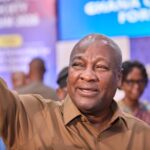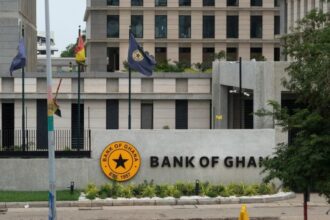



Bank of Ghana (BoG) Governor Dr. Johnson Asiama says he resigned from the Board of Directors of the Ghana Gold Board (GoldBod) about five months ago and no longer participates in its meetings.
His clarification follows concerns raised by the opposition New Patriotic Party (NPP) over his membership of the GoldBod Board and the potential for a conflict of interest arising from his roles as central bank Governor and a GoldBod director.
Related Stories
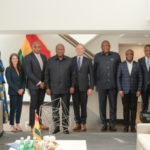
Former Finance Minister and NPP Member of Parliament for Karaga, Dr Mohammed Amin Adam, raised the issue during an NPP press briefing on September 1.
The concerns centred on the relationship between the Bank of Ghana and GoldBod, including the central bank’s involvement in financing GoldBod’s gold-purchasing operations and reported losses associated with the domestic gold purchase programme.
Dr. Asiama, however, said he had already stepped down from the GoldBod Board and had not participated in its meetings since his resignation.
“I resigned from the GoldBod Board about five months ago or so. I do not attend board meetings at the GoldBod at all,” Dr. Asiama told journalists.
Governor’s board membership not mandatory
Dr. Asiama explained that although the Ghana Gold Board Act, 2025 (Act 1140) provides for representation from the Bank of Ghana on the GoldBod Board, it does not require the Governor personally to serve on the board.
He said the legislation allows the central bank to be represented either by the Governor or another Bank of Ghana official of the required rank.
“The law that governs the activities of the GoldBod, there’s a provision there for the Bank of Ghana to be represented either by the Governor or any other official up to the rank of a director,” he said.
He stressed that the provision does not make the Governor’s personal participation on the board a statutory requirement.
“It does not necessarily need the Governor to be there.”
GoldBod-BoG relationship under scrutiny
The clarification comes amid wider scrutiny of the relationship between GoldBod and the central bank, particularly over the financing of GoldBod’s gold purchases under the domestic gold purchase programme.
GoldBod, established under the 2025 legislation, plays a central role in Ghana’s gold trading and purchasing activities, while the Bank of Ghana has responsibilities relating to monetary and financial stability.
Dr. Asiama’s comments indicate that although the Bank of Ghana is required to have representation on the GoldBod Board, the responsibility can be assigned to another senior official rather than the Governor.
His disclosure that he resigned from the board about five months ago also provides clarification on his current involvement in GoldBod’s governance.