

Ghana is positioning itself as a leading destination for critical minerals processing, value addition and responsible mining investment as global demand for minerals essential to the energy transition and emerging technologies continues to surge.
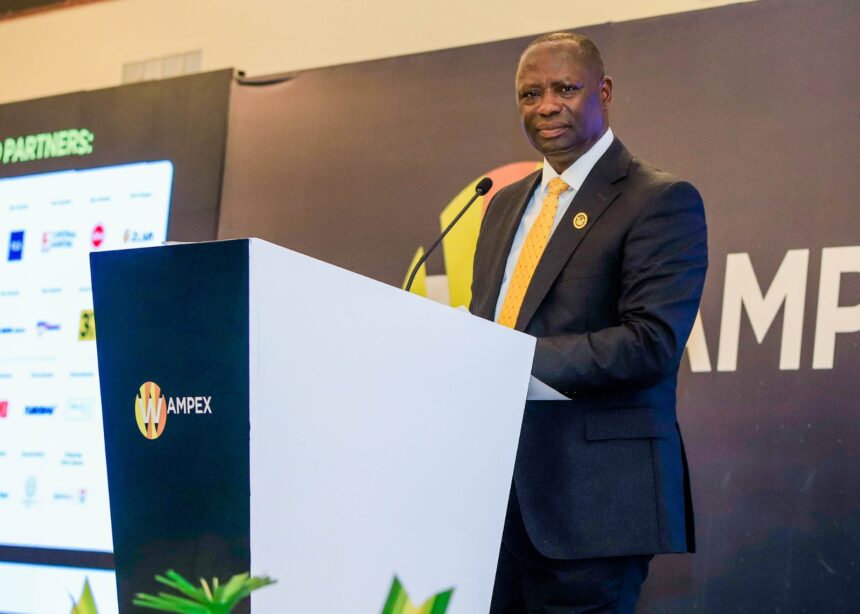
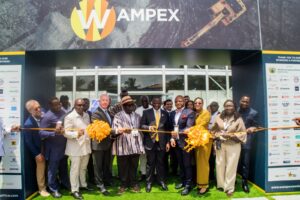
Speaking at the opening of the 2026 West African Mining and Power Exhibition and Conference (WAMPEX) in Accra, Lands and Natural Resources Minister Emmanuel Armah-Kofi Buah said the country is moving beyond its traditional role as a producer of raw minerals to become a centre for mineral beneficiation, industrial development and sustainable resource management.
Related Stories
Addressing delegates from across the mining and energy sectors, Buah said the growing global demand for critical minerals such as lithium presents Ghana and the wider West African region with a historic opportunity to attract investment, acquire new technologies and build resilient industrial value chains.
 He stressed that Ghana’s ambition is not only to maintain its position as Africa’s leading gold producer but also to become a major hub for the processing of critical minerals that are increasingly needed for batteries, renewable energy systems and other advanced technologies.
Ghana is committed to ensuring that its critical mineral resources are not simply extracted and exported. We must create value addition opportunities so that the technologies and batteries of the future can also be linked to industries established here,” he said.
The Minister noted that government is implementing policies aimed at encouraging local processing and refining of minerals to retain more value within the economy, create skilled jobs and stimulate industrial growth.
He said these efforts form part of a broader strategy to position Ghana as a competitive and responsible mining destination while ensuring that the benefits of the country’s mineral wealth are shared more widely.
Buah also assured investors that Ghana remains committed to providing a stable, predictable and transparent investment environment, dismissing suggestions of any policy to nationalise mining assets.
There cannot be nationalisation of mines. We are not opposed to investment; rather, we invite investors to partner with us in building value-added industries, stronger policies and resilient institutions,” he stated.
The Minister added that government is strengthening regulatory coordination among agencies, streamlining permitting processes and formalising the artisanal and small-scale mining sector to improve efficiency, accountability and environmental responsibility.
He further reaffirmed government’s determination to tackle illegal mining, describing it as one of the biggest threats to sustainable resource development.
According to him, stronger enforcement measures, enhanced monitoring systems and institutional reforms are being implemented to combat illegal mining activities that continue to destroy forests, pollute water bodies and undermine legitimate investment.
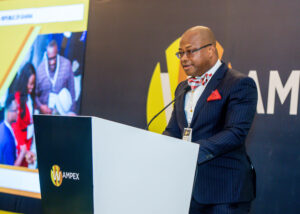 The President of the Ghana Chamber of Mines, Michael Edem Akafia, echoed the Minister’s call for greater value addition and investment, noting that West Africa stands at a critical moment as demand for critical minerals, industrial inputs and reliable energy continues to rise.
He said the challenge for the region is not merely identifying opportunities but converting them into bankable projects, strategic partnerships and measurable development outcomes.
Akafia observed that the rapid expansion of artificial intelligence, battery technologies and renewable energy systems is expected to drive unprecedented demand for critical minerals over the coming decades, creating significant opportunities for countries that position themselves strategically within global supply chains.
He called for stable policy frameworks, transparent regulations, reliable infrastructure and stronger regional cooperation to unlock investment and improve the competitiveness of West Africa’s mining industry.
The challenge is not only to identify opportunities but to translate those opportunities into bankable projects, stronger partnerships and measurable development outcomes,” he said.
Both leaders emphasised that responsible mining, sustainable energy development and regional collaboration will be essential if Ghana and West Africa are to maximise the benefits of the global transition to cleaner energy and advanced technologies.
Declaring WAMPEX 2026 open, Buah urged investors, governments and industry leaders to work together to transform the region’s mineral wealth into jobs, industrial growth and long-term prosperity.
If we act with vision, discipline and partnership, we can transform West Africa’s natural wealth into jobs, industries, energy security and lasting prosperity for our people,” he said.