

By Maj. Dr. Ebenezer Kwakye Agyemang (Rtd),
In an earlier report based on my study across three communities in three different regions of Ghana, I recommended that small-scale illegal gold mining (SSIGM), commonly known as “galamsey,” be formally classified as a transnational organised criminal enterprise. The scale, coordination, and funding of these activities stretch far beyond the realm of informal, local operations.
Related Stories

In this follow-up, I wish to highlight a critical but often overlooked player in this illegal industry—fuel stations and their agents—and urge national authorities to revisit their role as key enablers in this crisis.
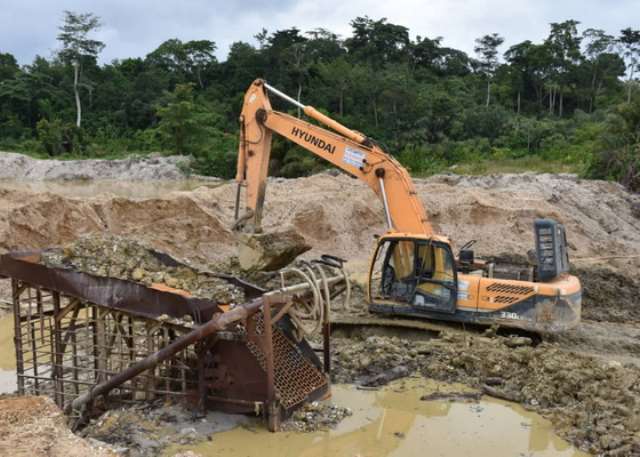
Across the country, illegal mining sites rely heavily on a range of heavy-duty machinery: over 5,000 assorted excavators, along with Chang fa machines, water pumps, air compressors, power generators, and more. All of this machinery runs on a steady supply of fuels, oils, and lubricants (FOL). Without these, operations grind to a halt.
Most of these sites run for a minimum of eight hours a day. This creates a near-constant demand for diesel and other petroleum products. Fuel stations, knowingly or unknowingly, have become the lifeline of this destructive enterprise. Some accept cash payments, but others engage in direct barter—fuel in exchange for raw gold—or operate on credit based on future gold deliveries. In doing so, they act not only as suppliers but also as financiers, gold buyers, and collaborators in the illegal value chain.
Many of the excavators themselves are leased from mining support contractors, often foreign nationals—particularly Chinese and Indian operators—though Ghanaians have increasingly joined the trade. These machines and their operations are responsible for extensive environmental degradation, especially to Ghana’s already-vulnerable water bodies and forest reserves.
Yet, while significant national attention has been directed toward miners and the machinery, the owners and operators of fuel stations—critical logistical suppliers—have largely escaped scrutiny.
It is time for a national policy conversation to bring these actors to the table.
Policy Recommendations
The current legal framework regulating fuel sales is inadequate in addressing the specific needs of this national security challenge. A focused review is required, with the following actionable measures:
1. Revoke licenses of complicit fuel stations found to be actively supporting or enabling illegal mining operations.
2. Ban or strictly regulate bulk sales of fuel—especially diesel—in canisters, drums, gallons, and other portable containers. This practice is commonly used to discreetly supply illegal mining sites.
3. Deploy security and intelligence personnel to monitor fuel stations in high-risk areas. While a nationwide deployment may be logistically difficult, targeted surveillance can yield valuable intelligence and deterrence
These steps, while not exhaustive, would strike at the logistical heart of the illegal mining operations. Cutting off the fuel supply chain could lead to a significant and immediate reduction in galamsey activity.
This is no longer just an environmental issue—it is a national security crisis. And it demands bold, coordinated responses that go beyond the miners and into the networks that sustain them.
Fuel station owners and operators are no longer passive service providers in this context. In many cases, they are sponsors, accomplices, and beneficiaries of the very enterprise that is destroying our lands and poisoning our rivers.
The state must act—and act decdecisivel.
Source: Dr. Ebenezer Kwakye Agyemang (Rtd), Crossbridge Leadership Institute