

He said the adoption of appropriate technologies to capture methane from waste could provide an alternative energy source for households and industries while helping to reduce greenhouse gas emissions.
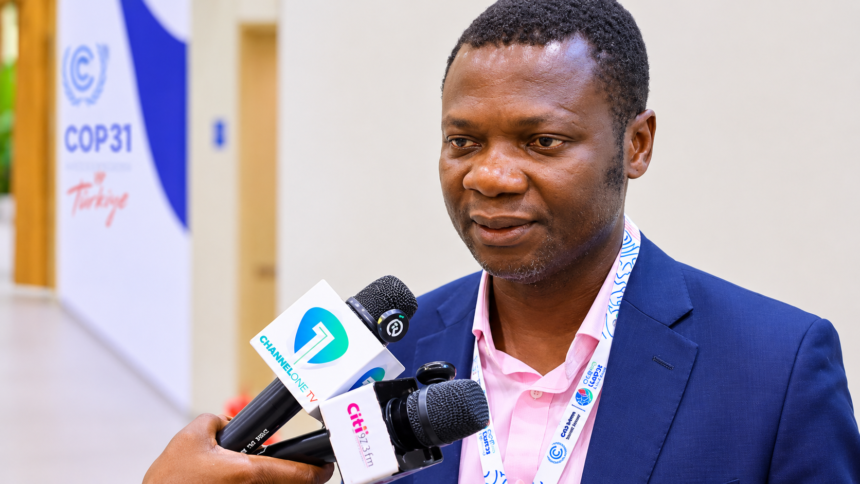
Speaking in an interview after an energy security session at the 4th CEEW Leaders’ Dialogue at the 31st United Nations Climate Change Conference (COP31) in Antalya, Türkiye, Gyimah said countries needed to pursue their development priorities while making deliberate efforts to minimise their environmental impact.
Each country’s development needs are different. We must consider those needs and how energy supports them, while making policy choices that minimise our climate footprint,” he said.
He noted that energy remained central to economic growth and industrial development, making the transition to cleaner sources a major policy challenge, particularly for developing countries.
According to him, countries pursuing the energy transition must consider the cost and availability of alternative energy sources, as well as the different stages of economic development.
He observed that developed economies had built much of their industrial capacity using conventional energy systems, making it necessary to recognise the different circumstances confronting developing countries in their transition efforts.
Gyimah identified methane recovery from waste as one of the opportunities Ghana could exploit to diversify its energy sources and support industrial activity.
He said with the right technology and investment, methane generated from waste could be captured and converted into energy for industrial processes, household use and cooking.
He added that Jospong Group’s waste management operations presented an opportunity to link environmental sustainability with energy production, while reducing the volume of emissions associated with waste disposal.
The initiative, he said, could contribute to Ghana’s broader climate objectives by turning waste into an economic resource rather than treating it solely as an environmental challenge.
The 4th CEEW Leaders’ Dialogue, held in the Blue Zone at COP31, brought together stakeholders to discuss strategic international partnerships for addressing national energy and development priorities.
Held under the theme, “The New Energy Play: Strategic International Partnerships for National Priorities,” the dialogue examined issues surrounding energy security, water security and the challenges countries face in meeting their development needs amid the global energy transition.
The energy security session challenged participants to identify key energy challenges confronting countries in 2030 and 2050 and propose initial measures for developing common solutions.
Gyimah said Jospong intended to use its participation at COP31 to contribute to discussions on practical climate solutions and demonstrate Ghana’s commitment to addressing climate change.