


By Kofi Ahovi
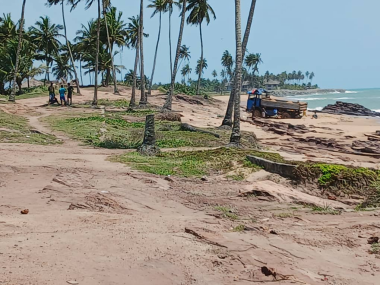
Illegal sand winning by unemployed youth in Ankwanda in the Komenda/Edina/Eguafo/Abirem Municipal District of the Central Region is rapidly destroying the community’s coastline, raising fears of severe sea erosion and possible displacement of residents.
Related Stories

Despite repeated warnings and attempts by authorities to clamp down on the practice, many young people in the fishing village say they have no choice but to continue removing sand from the beaches because of widespread unemployment.
The situation has already begun to take a toll on the shoreline. Large portions of the beach are being stripped away daily, causing the sea to inch dangerously closer to homes and farmlands. Environmental observers warn that if the practice continues unchecked, Ankwanda and nearby coastal communities could face serious environmental consequences.
Neighbouring settlements such as Essaman and Yesunkwa are also likely to be affected should the erosion worsen.
Even more troubling are allegations that some law enforcement officers are being bribed to ignore the illegal activity.
When we make money, we give the officers their tips, so nowadays they don’t worry us that much,” admitted Kwame Dadzie, one of the sand winners operating in the area.
Many of the youth openly acknowledge the environmental damage caused by their activities but insist poverty and lack of jobs have left them with little alternative.
If we stop winning the sand, what are we going to do? There’s no work here, and we need to survive,” another youth said on condition of anonymity.
The development comes at a time when climate change and rising sea levels are already intensifying coastal erosion across the country. Government has spent millions of cedis on sea defence projects to protect vulnerable communities, yet illegal sand winning continues to undermine those efforts.
Recent tidal waves that devastated several coastal communities in the Volta Region have heightened national concern about the vulnerability of Ghana’s shoreline.
Environmentalists say the situation in Ankwanda underscores the urgent need for sustainable livelihood programmes, stricter enforcement of environmental laws, and intensified public education to prevent further destruction of Ghana’s fragile coastal ecosystem.