

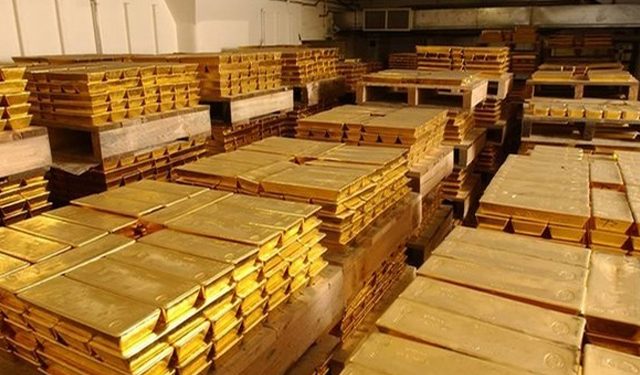
Ghana’s gold reserves have recorded a slight increase to 19.2 tonnes as of February 2026, up from 18.6 tonnes in December 2025, according to the latest Summary of Economic and Financial Data released by the Bank of Ghana.
The modest rise signals a gradual recovery after a sharp drop in late 2025 that sparked public debate over the management of the country’s reserve assets.
Related Stories

Data from the central bank shows that Ghana’s gold holdings had climbed steadily from 27.2 tonnes in September 2024 to a peak of 37.1 tonnes in September 2025, reflecting an aggressive accumulation strategy during that period.
However, reserves declined significantly to 18.6 tonnes by December 2025, representing nearly a 50 percent drop from the peak level.
The development raised concerns about a possible depletion of the country’s gold reserves. But the central bank insists the decline was the result of a strategic portfolio rebalancing, rather than a loss of national assets.
Governor Johnson Asiama explained that gold had, at one point, accounted for over 40 percent of Ghana’s total international reserves, far above the 20 to 25 percent benchmark typically maintained by peer economies.
To manage concentration risk and strengthen the resilience of the reserve portfolio, the Bank of Ghana converted part of its gold holdings into foreign exchange assets.
According to the Governor, proceeds from the conversion remain within the country’s international reserves and are being actively invested to support reserve growth and improve returns.
He stressed that the adjustment represents a shift in the composition of Ghana’s reserves rather than a depletion of national wealth, noting that effective reserve management requires periodic adjustments based on market conditions and risk exposure.
The central bank says it will continue to monitor developments within its reserve portfolio and make further adjustments in line with international best practices as it balances stability, liquidity and returns.