


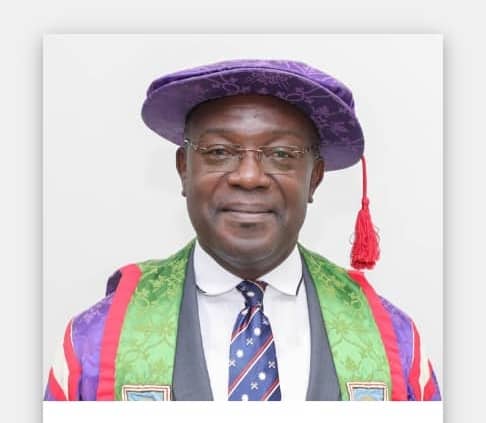
A brewing crisis at the University of Mines and Technology (UMaT), Tarkwa, has sparked concerns about academic governance and institutional integrity following serious allegations against the Vice Chancellor.
In a petition dated June 2nd, 2025, and addressed to the Ghana Tertiary Education Commission (GTEC) and the Western Regional Minister, Associate Professor George Agyei, Head of the Department of Mining Engineering, accused the Vice Chancellor of gross administrative overreach and violation of university statutes.
Related Stories

At the heart of the controversy is the alleged illegal constitution of a Disciplinary Committee, in defiance of UMaT Statute 39(2b), which requires elected Convocation representation. Prof. Agyei claims that individuals perceived to be loyal to the Vice Chancellor were handpicked, bypassing the democratic processes outlined in the university’s statutes.
He further alleges that after his petition was submitted, the agenda of an upcoming Convocation meeting was hurriedly altered to include the reconstitution of the Convocation Advisory Board. Crucially, the agenda excludes discussions around the Convocation’s representation on the Disciplinary Committee—a move Prof. Agyei describes as an attempt to retroactively validate an illegitimate process.
In a detailed account of what he calls “a climate of fear,” Prof. Agyei also highlights questionable promotions and appointments, including the processing of Dr. Bright Oppong Afum’s promotion while on leave—contrary to Section 3.6(iii) of the Promotion Criteria—and the approval of leave for Michael Owusu Tweneboah despite abandonment of duties.
He further notes interference in departmental recommendations, particularly in the appointment of Boakye Yiadom, and alleges that his own promotion process has been unjustly stalled without explanation.
Governance experts consulted on the matter say such actions undermine academic freedom, due process, and transparency—foundational values for tertiary education institutions. The petition outlines five key recommendations for restoring integrity at UMaT:
1. Immediate nullification of actions by improperly constituted committees.
2. Full adherence to university statutes in committee formations.
3. Transparent and documented promotion and appointment processes.
4. A comprehensive internal governance audit.
5. Disciplinary proceedings against the Vice Chancellor for abuse of office.
Prof. Agyei has called on GTEC, the Ministry of Education, and the broader academic community to stand in defense of democratic university governance.
This is not just a UMaT crisis,” he stressed. “It is a test of the resilience of Ghana’s higher education system.”
He pledged his full cooperation with lawful processes to restore transparency and accountability at the university.