

The Ghana Chamber of Mines has renewed calls for the formalisation of the artisanal and small-scale mining (ASM) sector, arguing that the move is critical to curbing illegal mining, increasing government revenue, and ensuring mining communities benefit more from the country’s mineral wealth.
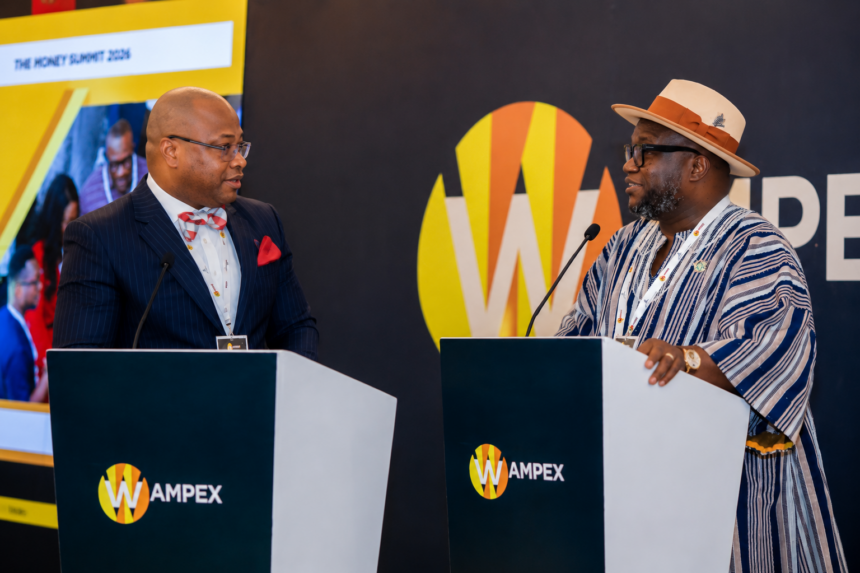
Speaking in a joint interview after the opening day of the three-day West African Mining and Power Exhibition (WAMPEX) 2026 in Accra, Chamber President Michael Edem Akafia and Chief Executive Officer Ign. Ken Ashigbey said illegal mining remains a major challenge across the West African sub-region and announced plans to develop a framework that would allow large-scale mining companies and small-scale miners to coexist while helping government formalise the sector.
Related Stories

According to the Chamber, artisanal and small-scale miners accounted for about 52 percent of Ghana’s gold production in 2025, yet contributed only a fraction of the tax revenues generated by the mining industry.
Ashigbey said formalisation would help capture more miners within the tax net and improve returns to the state.
He noted that while small-scale mining now produces a larger share of the country’s gold output than large-scale operators, the sector’s contribution to public revenue remains disproportionately low.
You cannot have a sector contribute 52 per cent of Ghana’s gold output and then contribute taxes of only about GH¢500,000, while the sector producing 48 per cent contributes more than GH¢20 billion. We must formalise artisanal and small-scale mining if we want to maximise the benefits of mining for Ghanaians.” — Ahmed Ashigbey, CEO, Ghana Chamber of Mines.
The Chamber also highlighted the need for stronger mineral traceability systems, citing Chile as a model for combating illegal mining through technology-driven tracking systems.
One of the ways to deal with illegal mining sustainably is through traceability. If illegally mined gold cannot enter the financial system or formal markets, then there will be no incentive to continue those activities.” — Michael Akafia, President, Ghana Chamber of Mines.
President Akafia said introducing traceability mechanisms, including blockchain-enabled systems, could help prevent illegally mined gold from entering formal markets and financial systems.
The Chamber further called for reforms to ensure mining communities receive a greater share of revenues generated from mineral resources.
It proposed that at least 30 percent of mining-related revenues be channelled into strategic investments in host communities, including infrastructure, education, industrialisation and healthcare.
The mining industry body argued that community development should focus on long-term value retention through local procurement, industrial development and job creation rather than short-term spending.
On the issue of mining lease renewals, the Chamber stressed that security of tenure remains essential for attracting long-term investments.
Akafia, who also serves as a senior executive of Gold Fields Ghana, expressed confidence that the company’s Tarkwa mining lease would be renewed when it expires in 2027, arguing that Ghana’s mining laws are designed to guarantee continuity for companies that comply with the conditions of their leases.
He maintained that predictable mining policies and secure tenure encourage companies to invest in exploration, mine-life extension projects and major infrastructure developments that create jobs and stimulate economic growth.
Security of tenure is absolutely critical. Investors will only commit long-term capital when they are assured that their mineral rights will be protected and renewed in accordance with the law.” — Michael Akafia, President, Ghana Chamber of Mines.