


By Salifu Dramani
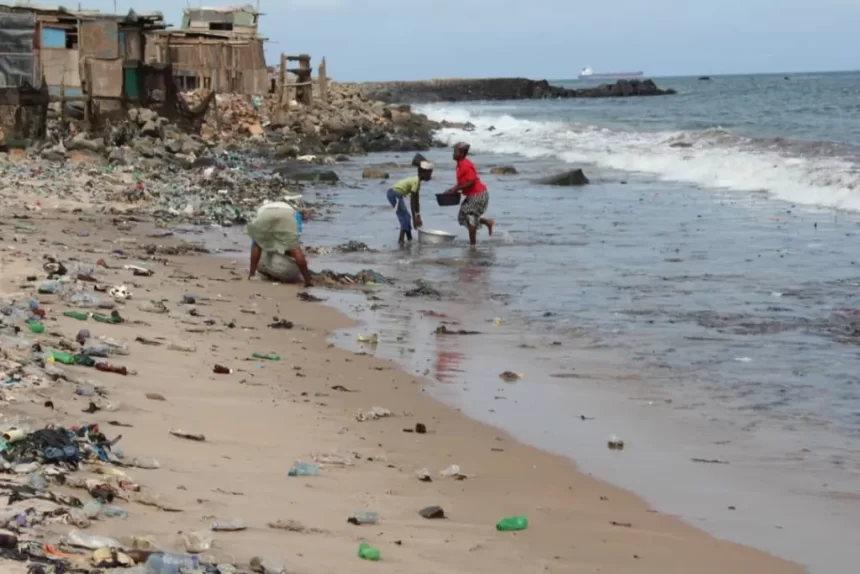
Bankuman, a densely populated fishing community in Tema New Town, is grappling with a deepening sanitation emergency. With no proper waste disposal system, residents have turned the beaches into dumping grounds, heavily polluting the coastline and exposing themselves to severe public health risks.
Related Stories

A TV3 report revealed that the shoreline—once expected to be clean and vibrant—has been transformed into an unsightly stretch of garbage. This neglected coast lies just a short distance from Tema Harbour and the Eastern Naval Command, yet continues to fester unchecked.
Home to more than 10,000 people and famous for its fishing and fish-smoking trade, Bankuman now faces unsafe living conditions due to the lack of basic sanitation facilities. Piles of waste sit side by side with fish-smoking sites, while large sections of the seashore resemble a landfill.
The absence of toilets has worsened the problem. Open defecation is rife, with TV3 cameras capturing residents relieving themselves on the beach, indifferent to the public gaze.
For many locals, dumping waste into the sea has become routine. A young boy told reporters that he throws rubbish into the water because his parents instructed him to, adding, “I know it’s wrong, but I don’t know where else to throw it.”
Eighteen-year-old Emmanuela, who helps her mother with fish smoking, admitted, “We dump our refuse by the shore. Sometimes we burn it, but not everyone does.” Another resident confessed that virtually the whole community contributes to the pollution.
The report highlights that the crisis is entirely human-made, worsened by the lack of support and infrastructure from local authorities. Residents, caught in a cycle of poor sanitation and neglect, say the problem has reached alarming levels.
The worsening situation poses a dual threat: endangering public health while damaging the coastal environment. Community members are calling for urgent intervention from both local authorities and stakeholders to break the cycle of pollution and restore Bankuman’s shoreline.
By Salifu Dramani