


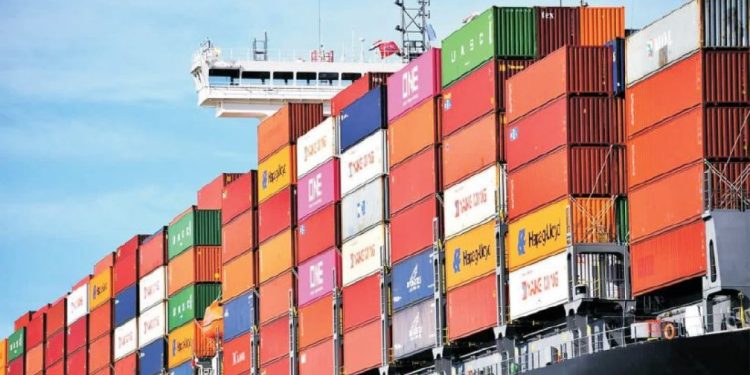
The Importers & Exporters Association of Ghana (IEAG) has expressed its heartfelt commendation to the Government of Ghana, particularly the Ministry of Foreign Affairs, for successfully negotiating the removal of the punitive 15% export tariffs imposed by the United States on Ghanaian cocoa and other qualifying agricultural products. This decisive diplomatic achievement, effective as of November 13, 2025, marks a significant milestone for Ghana’s trade community and export-driven growth.
The removal of tariffs is expected to restore duty-free or reduced-barrier access to markets for key Ghanaian products such as cocoa, avocado, cashew nuts, mango, and plantain, thereby safeguarding Ghanaian exporters’ competitiveness and preserving vital foreign exchange inflows.
Related Stories

This development vindicates long-held concerns within the business community,” said Samson Asaki Awingobit, Executive Secretary of IEAG. “The tariff impositions were already undermining Ghana’s exporters’ ability to compete internationally, eroding profit margins, discouraging production, and threatening jobs in export sectors.”
Awingobit welcomed the government’s diplomatic efforts, noting that IEAG had urged the government to double down on diplomatic negotiations and trade diversification to mitigate the risk of sustained U.S. protectionism. He cited the recent Ghana-China zero-tariff trade agreement as a timely relief and a diversification pathway that could reduce Ghana’s reliance on the U.S. market.
However, IEAG cautioned against complacency, calling on the government to maintain this momentum by deepening trade diplomacy, strengthening the export ecosystem, and bolstering export sector resilience. The association urged the government to prioritize the protection and diversification of Ghana’s foreign exchange earnings by expanding the nation’s export base.
The removal of tariffs is expected to have a positive impact on Ghana’s economy, as gold, cocoa, and oil accounted for 83.4% of the country’s total exports in 2024. A stronger export sector can contribute to external liquidity, support currency stability, and reduce reliance on foreign borrowing.
We applaud the government’s diplomatic success in securing the reversal of the U.S. tariffs,” Awingobit said. “We believe this outcome is a testament to the effectiveness of persistent trade diplomacy and the strategic foresight of national policymakers. We remain committed to working alongside government, as a constructive partner, to translate this opportunity into sustained export capacity, greater value addition, and stronger foreign exchange inflows.”