


Ghana needs to accelerate its shift to clean transport to reap benefits like reduced emissions, improved public health, and a stronger automotive industry. The UK-Ghana Jobs and Economic Transformation (JET) Programme made this call on International Day of Clean Energy, highlighting Ghana’s potential to drive industrial growth and create quality jobs.
Transportation accounts for nearly half of Ghana’s energy-related emissions, with levels rising 15% between 2015 and 2023 due to fossil fuel dependence, ageing vehicles, and urbanization. Air pollution costs Ghana’s economy $3 billion annually, or 4% of GDP, and is the second leading cause of deaths.
Related Stories

The JET Programme outlined priority actions for Ghana: fast-track approval of the revised Ghana Automotive Development Policy, support asset-based vehicle financing, and prioritize government procurement of locally assembled vehicles. This could deliver cleaner air, safer roads, skilled jobs, and reduced emissions.
Ghana’s automotive sector has the potential to be a powerful driver of clean energy transition, industrial growth and job creation,” said Terri Sarch, Development Director at the British High Commission in Accra.
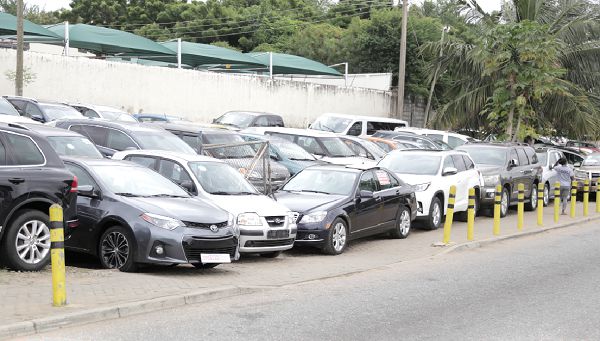
Ghana has 3.2 million vehicles, with 80% of imports being used vehicles over a decade old. Electric vehicle uptake is increasing, but transitioning to a modern fleet remains slow. The Ghana Automotive Development Policy has attracted $98 million in investments, but domestic demand for new vehicles is low.
Accelerating clean transport could help Ghana meet its 2030 emission reduction target and improve public health. The International Day of Clean Energy aims to raise awareness and mobilize action for a just transition to clean energy