

Mohamed Adam Yakubu
Ghana’s battle against illegal mining, popularly known as galamsey, has entered a critical phase, with the University Teachers Association of Ghana (UTAG) warning that unchecked environmental destruction could undermine the country’s long-term survival.
Related Stories

At the heart of the concern is President John Mahama’s 2024 electoral pledge to eradicate galamsey — a promise hailed as a landmark commitment to restore rivers, forests, and agricultural lands ravaged by decades of unregulated mining. Yet, nearly six months into his administration, the initiative is faltering, prompting renewed scrutiny from academia, civil society, and local communities.
UTAG argues that while the government has made “modest gains” through law enforcement and recent directives for investigations into politically exposed persons, the scale of the crisis demands far stronger action. “Illegal mining is not only a law-and-order issue; it is an existential threat to Ghana’s ecological security and food systems,” the association stressed.
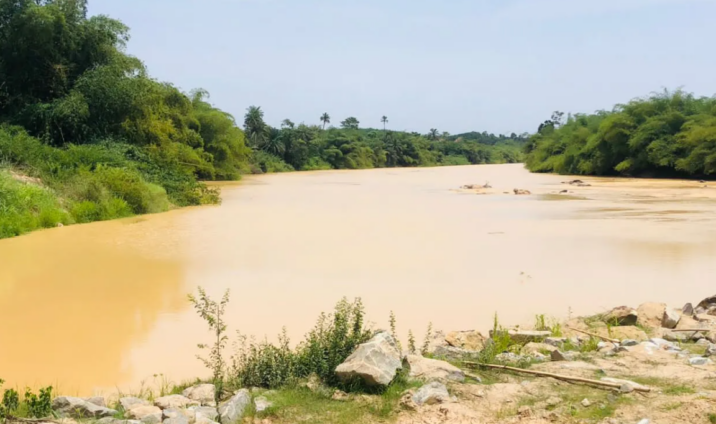
The environmental toll is mounting. Rivers such as the Pra, Ankobra, and Birim remain heavily contaminated, forest reserves are being stripped at alarming rates, and fertile farmlands continue to vanish under excavators. Experts warn that if left unchecked, these losses will accelerate water scarcity, rural poverty, and biodiversity collapse.
President Mahama’s “anti-galamsey pledge,” signed in the run-up to the 2024 elections and witnessed by the Ghana Coalition Against Galamsey (GCAG), was intended to be a turning point. The pledge outlined five bold measures — including declaring illegal mining a national emergency, enforcing laws without political bias, and implementing permanent anti-galamsey policies. However, UTAG says little of this has materialised.
“The pledge was not just a campaign promise. It was a solemn social contract with the Ghanaian people,” UTAG insisted, adding that failure to act decisively erodes both environmental integrity and public trust in governance.
The debate extends beyond mining practices to regulatory frameworks. UTAG has urged government to repeal Legislative Instrument (L.I.) 2462, which controversially permitted mining in forest reserves. While officials have hinted at scrapping it, environmental groups say delays only embolden destructive operators.
Observers note that the galamsey fight has always been complicated by the involvement of influential political actors, whose interests often clash with environmental protection. This, coupled with limited enforcement capacity, continues to weaken state efforts.
For UTAG and other advocates, the stakes could not be higher. Illegal mining, they argue, is steadily compromising Ghana’s economic backbone — water, agriculture, and land. “Every day of inaction pushes Ghana closer to an irreversible environmental catastrophe,” one UTAG executive warned.
The call from academia reflects growing frustration across sectors, with educators, farmers, and communities demanding urgent reforms. Whether government can overcome political inertia and enforce its own commitments will determine if Ghana can safeguard its environment — or watch it collapse under the weight of galamsey.