

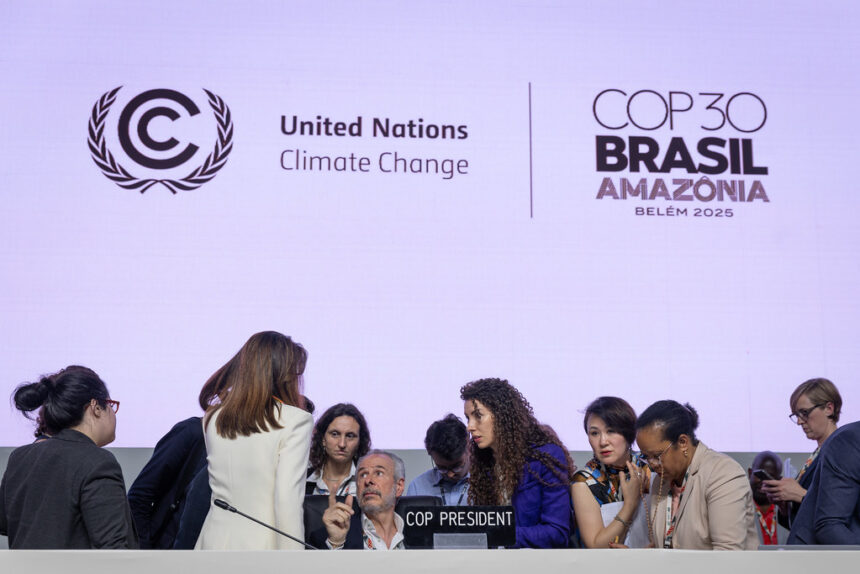
The just ended COP30 summit in Belém, Brazil, has sent a strong signal that climate cooperation is alive and kicking, despite challenging political headwinds, according to UN Climate Change Executive Secretary Simon Stiell.
In his closing remarks, Stiell emphasized that 194 countries have reaffirmed their commitment to the Paris Agreement, with a shared goal of limiting global warming to 1.5 degrees Celsius.
Related Stories

The shift from fossil fuels to renewables and resilience is unstoppable, and it’s gathering pace,” Stiell said, highlighting key outcomes from the summit. These include the mobilization of $1 trillion for clean energy grids, the protection or restoration of hundreds of millions of hectares of forest, land, and oceans, and making over 400 million people more resilient.
Stiell noted that the negotiated text achieved unanimous agreement on key agenda items, including just transition, gender, and the tripling of adaptation finance. He also pointed to the Mutirao text, which sent strong political signals, including recognition that the Paris Agreement is working and the global transition to low greenhouse gas emissions is irreversible.
The direction of travel is clear: the shift from fossil fuels to renewables and resilience is unstoppable, and it’s gathering pace.” – Simon Stiell, UN Climate Change Executive Secretary
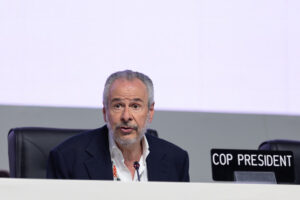 The summit’s outcomes demonstrate that nations are ramping up climate action, driven by national interests and economic growth opportunities. Stiell acknowledged frustrations among countries seeking faster progress on fossil fuels, finance, and climate disasters, but emphasized that the direction towards renewables and resilience is clear.
The COP30 summit has laid the groundwork for accelerated climate action, with countries set to work on making progress on their national climate plans and striving to do better collectively and cooperatively.
COP30, was the 30th session of the United Nations Climate Change Conference. It was held at the Hangar Convention Centre in Belém, Brazil, from 10 to 21 November 2025.
Agreeing an explicit plan or roadmap for phasing out fossil fuels was the most contentious issue.