


Ghana’s mining sector must go beyond citing billions of cedis in taxes, local purchases and community spending by demonstrating how these contributions improve lives and deliver enduring benefits.
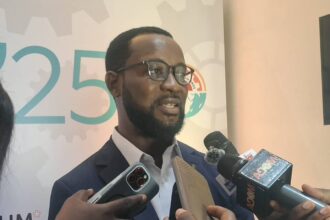
Ahmed Dasana Nantogmah, Chief Operating Officer of the Ghana Chamber of Mines, made the call while opening the 2026 PR, Environment and Sustainability Seminar in Kumasi.
Related Stories

Nantogmah said today’s better-informed and more skeptical public is unlikely to accept corporate assertions without proof, particularly as misinformation and disinformation circulate quickly.
People want evidence. Our task is not simply to tell people what mining creates; our task is to show it,” he said, calling on industry communicators to move “from publicity to proof.”
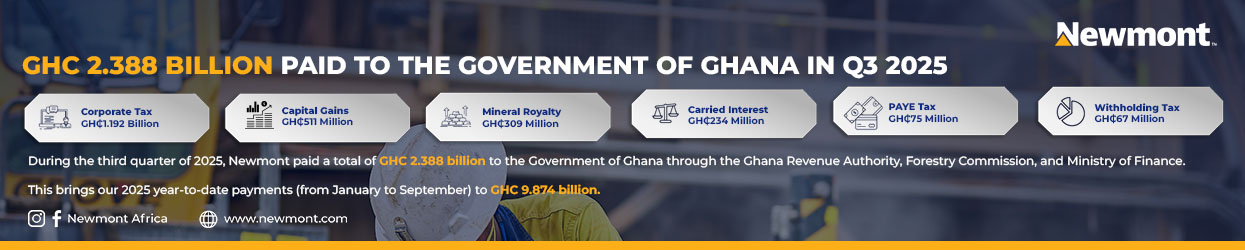
He pointed to the industry’s significant contribution to Ghana’s economy in 2025: over GH¢24.2 billion in fiscal revenue; roughly US$7 billion spent domestically, including about US$4.2 billion paid to local suppliers; and US$88.6 million invested directly in communities by Chamber member companies.
However, he said the critical issue was whether these numbers translated into visible improvements in mining communities.
“If we go into the mining communities, are we going to see that impact?” he asked.
According to Nantogmah, the sector’s real contribution should be evident in stronger local enterprises, improved livelihoods and infrastructure, sustainable employment, and opportunities communities can experience firsthand.
He further tied lasting impact to predictable policies, increased investment and stronger domestic value retention. In his view, high gold prices should enable Ghana to draw more exploration funding, increase output and prolong the operating lives of existing mines, instead of focusing chiefly on securing more revenue from current operations.
Nantogmah again called for Ghana to progress from local procurement to domestic manufacturing, observing that little value remains in the country when goods bought locally still rely heavily on imported components.
Donald Gwira, Vice President of the Institute of Public Relations Ghana and guest speaker at the Seminar, supported the emphasis on evidence and credibility by distinguishing reputation from trust.
Reputation is communicated, but trust is earned,” Mr. Gwira said, explaining that trust grows when an organization’s statements, conduct and stakeholder experiences align consistently.
He therefore called for public relations to extend beyond publicity and function as a core part of strategic management.
Gwira said communications professionals should participate early in organizational decisions so they can detect emerging issues, understand stakeholder expectations and help shape responses, rather than being brought in only after controversy develops.
The Seminar delivered a clear message: under growing public scrutiny, the mining industry’s credibility will rest not only on the size of its contribution, but also on its capacity to demonstrate concrete, measurable results.