

The Japan International Cooperation Agency (JICA), in partnership with the Noguchi Memorial Institute for Medical Research (NMIMR) and key partners, through the 2026 Third Country Training Programme, have strengthened the laboratory skills and capacity for infectious disease detection, diagnosis and response among African health professionals from six countries.
The training programme, hosted at NMIMR at the University of Ghana, brought together representatives from JICA, the Embassy of Japan in Ghana, the World Health Organisation (WHO), the University of Ghana, and other stakeholders committed to enhancing health security across the continent.
Related Stories

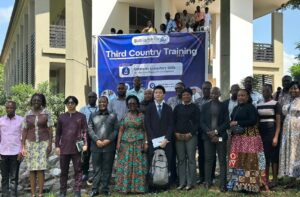
Eight healthcare professionals from Ghana, Liberia, Nigeria, Sierra Leone, Togo and Zambia participated in the blended eight-week course. The training had an online phase held from April 20 to May 15, 2026, followed by an in-person practical phase at NMIMR’s Advanced Research Laboratories from June 1 to June 26, 2026.
The selected health professionals underwent training in Parasitology, Bacteriology, Virology, Biosafety, Biosecurity and Laboratory Quality Management Systems.
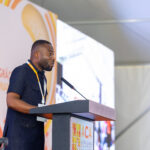
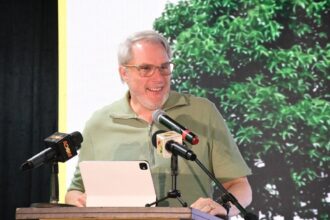
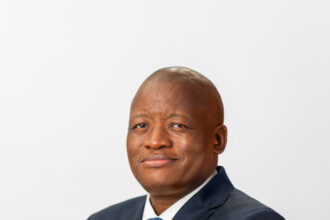
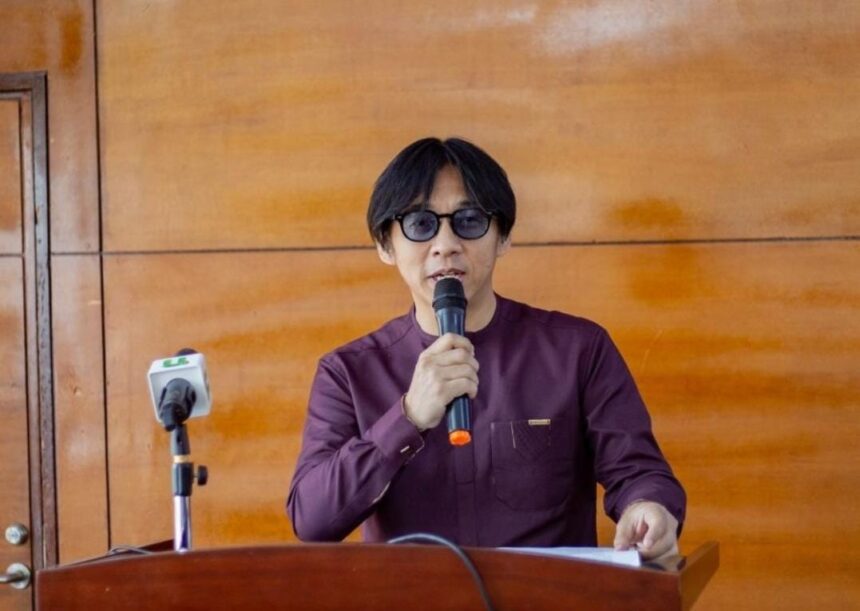
Reiterating JICA’s commitment to the advancement of healthcare in Ghana and beyond, Mr. Takayuki Uchiyama, Chief Representative of JICA Ghana, said: “JICA is committed to strengthening laboratory capacity and biomedical research networks across Africa. The Third Country Training programme was launched in 2019 in response to the West Africa Ebola outbreak. Since then, JICA and NMIMR have trained 80 biomedical scientists from West Africa, Central Africa, and other African countries, contributing to improved diagnostics, surveillance, and regional outbreak response.”
Professor Dorothy Yeboah-Manu, Director of NMIMR, praised the partnership with JICA, the Embassy of Japan and WHO, and highlighted the programme’s evolution into a flagship capacity-building initiative addressing COVID-19, Marburg, Lassa fever, Mpox and other emerging threats.
 Professor Alfred Edwin Yawson, Provost of the College of Health Sciences, commended the sustained partnership and importance of practical skills for outbreak preparedness.
Dr Sally-Anne Ohene, representing the World Health Organisation, emphasised that resilient laboratory systems, underpinned by continuous training, mentorship and collaboration, are essential for timely detection and response to public health emergencies.
Mr. Takuma Teratani, First Secretary at the Embassy of Japan, reaffirmed Japan’s support for strengthening laboratory and surveillance capacity across Africa.
A media statement from JICA Ghana, sourced from its Public Relations Advisor, Mr John Kojo Williams, indicated that since the inception of the JICA–NMIMR Third Country Training Course, 80 health professionals across the continent have been specially trained, thereby strengthening regional capacity in disease surveillance, diagnostics, and research. JICA is committed to doing more, the statement reassured.
The successful completion of this year’s course reinforces the longstanding JICA–NMIMR partnership and shared vision of advancing health security through knowledge exchange, skills development and regional cooperation.