

By William Beeko
For decades, Ghana has spoken passionately about economic transformation, industrialization, value addition and reducing dependence on traditional exports.
Related Stories
Yet, the true test of national commitment lies not in policy declarations but in our willingness to support strategic indigenous projects capable of reshaping the country’s economic future.
Electrochem Ghana Limited’s development of the Songor Salt Project represents one of the most significant industrial opportunities in Ghana’s modern history, and the time has come for policymakers, investors and financial institutions to rally behind it with the urgency it deserves.
The strategic importance of the Songor Salt Project extends beyond Ada. It sits at the intersection of industrialization, export diversification, job creation and regional economic development.
In a world where industrial salt is increasingly becoming a critical raw material for manufacturing, petrochemicals and pharmaceuticals, Ghana possesses a natural competitive advantage that few countries enjoy. What remains is the capital needed to fully unlock that advantage.
Historically, the Songor Salt Lagoon remained largely underdeveloped despite its enormous potential. For years, production was fragmented, investment was limited and the vast resource remained significantly underutilized.
Since assuming responsibility for the concession, Electrochem has transformed the narrative through significant investments in infrastructure, operational systems and stakeholder engagement.
The transformation, however, did not come without considerable sacrifice. Before commencing production, Electrochem spent nearly two years engaging stakeholders and another two years undertaking extensive community consultations to secure broad-based support.
Millions of cedis was spent on several stakeholder compensations to facilitate peacefultransition and implementation of the project.
Despite these efforts, challenges relating to community expectations, misinformation campaigns, operational disruptions and financing constraints have occasionally slowed progress. Yet management remained committed to dialogue, inclusion and sustainable development.
 The company’s social investments have been equally remarkable. Electrochem has established 70 community salt pans to support local participation in the industry, funded community water projects, constructed the Lolonyo WC public toilet facility, built access roads, developed a sports village and introduced a Women Support Scheme valued at approximately GH¢4 million.
Additional interventions include scholarships for needy students, widowhood support programs, health and safety campaigns and flood mitigation initiatives across affected communities.
These investments have significantly altered perceptions about mining and resource development in Ada. What was once viewed with skepticism is increasingly being recognized as a model for community-centered industrial development.
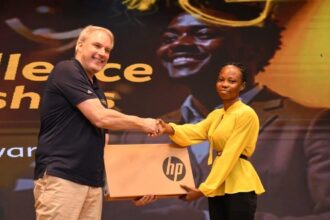
It is for these integrated developmental frameworks why Electrochem Ghana has been duly recognized for their efforts and awarded at the 7th edition of the Sustainability and Social Investment Awards 2023 with 2023 with the following; Best Company In Community Development And Infrastructure Project, Best Company in Providing Health Facilities, Best Company in Project Supporting Local Content and Best Company in Providing Sanitation Facilities.
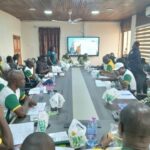
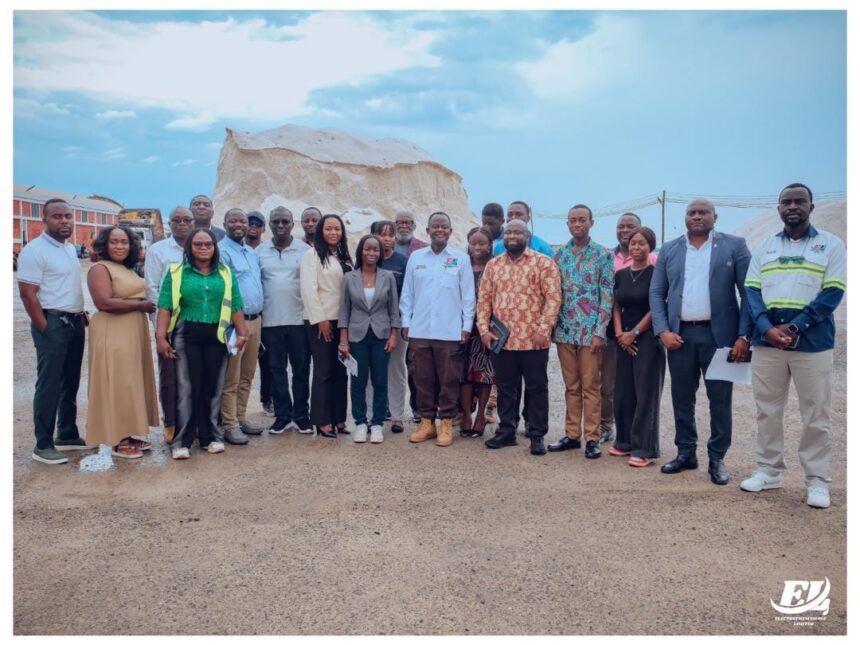
This was evident during a recent stakeholder engagement involving Civil Society Organizations, the Ada Traditional Council, media practitioners and industry stakeholders.
Participants were unanimous in their assessment that additional investment of at least US$60m for the company to be fully operational andcomplete Phase One into mechanisation.
Chairman of Electrochem Ghana Limited, Prof. Kofi Abotsi, emphasized that private sector investment in Songor must remain aligned with the interests of the Ghanaian people.
According to him, business decisions must ultimately serve national development while delivering value to investors and communities alike.
The economic argument is compelling. A fully capitalized Electrochem operation capable of producing one million metric tonnes annually would create thousands of direct and indirect jobs, increase foreign exchange earnings, strengthen local industries and establish Ghana as a dominant supplier of premium industrial salt within the global market.
The story of Songor is no longer merely about salt. It is about national ambition, economic sovereignty and the courage to invest in Ghana’s own comparative advantages.
The US$60 million required as an additional immediate capital is not simply an investment in Electrochem, it is an investment in Ada, an investment in Ghana and an investment in the future prosperity of generations yet unborn.