

Ghana’s economy recorded a growth rate of 6.4 percent in the first quarter of 2026, up slightly from the 6.2 percent recorded during the same period in 2025, according to the latest Gross Domestic Product (GDP) estimates released by the Ghana Statistical Service (GSS).
The figures indicate sustained economic resilience, supported largely by strong performances in the services and industrial sectors despite challenges in some areas of the economy.
Related Stories

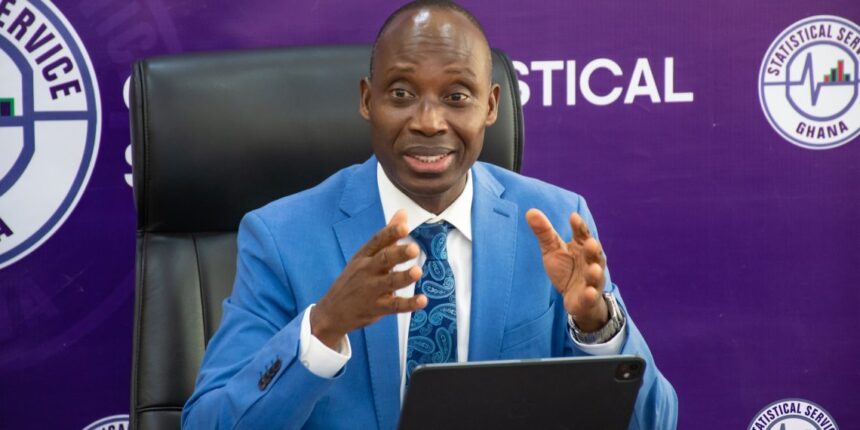
Presenting the data, Alhassan Iddrisu said non-oil GDP grew by 6.3 percent during the period, suggesting that growth was broad-based and not solely dependent on the extractive sector.
The services sector remained the largest contributor to economic expansion, recording growth of 7.1 percent. The strongest gains were registered in information and communication, which expanded by 25.2 percent, followed by transport and storage at 13 percent and trade at 7 percent.
“The services sector continues to be the main driver of economic growth, supported by strong performances in information and communication, transport and storage, and trade,” Dr. Iddrisu said.
The industrial sector also posted a robust performance, growing by 6.9 percent compared to 4.1 percent in the first quarter of 2025. Growth in the sector was driven by mining and quarrying, which expanded by 10.7 percent, as well as a recovery in oil and gas production, which recorded growth of 7 percent.
Agriculture recorded growth of 4 percent during the quarter. However, the sector’s overall performance was affected by a significant contraction of 18.5 percent in the fishing sub-sector.
The Ghana Statistical Service also reported that seasonally adjusted GDP grew by 1.6 percent on a quarter-on-quarter basis, indicating continued momentum in economic activity.
Further evidence of the economy’s resilience was reflected in the Composite Index of Economic Activity (CIEA), which remained positive throughout the quarter. The index recorded growth rates of 6.1 percent in January, 7.7 percent in February and 5.4 percent in March.
According to Dr. Iddrisu, the latest GDP figures underscore the importance of maintaining macroeconomic stability and implementing policies that support sustained growth.
He said continued investment in infrastructure, accelerated digital transformation and stronger private sector participation would be critical to sustaining economic expansion.
At the same time, he noted the need to address persistent weaknesses in sectors such as fishing, accommodation and food services, and water and sewerage services to ensure more balanced and inclusive growth.