

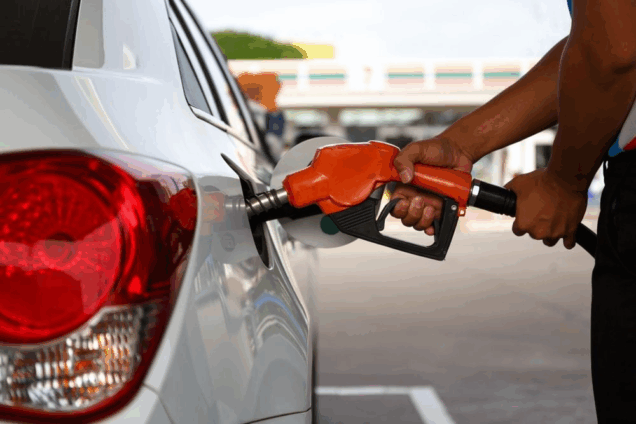
Prices of petroleum products are expected to rise from May 16, 2026, even if the government extends its current programme aimed at cushioning consumers against rising crude oil prices.
This is according to the Chief Executive Officer of the Chamber of Oil Marketing Companies, Dr Riverson Oppong.
Related Stories

Speaking to JOYBUSINESS in an interview, he outlined two possible scenarios depending on whether the policy is extended beyond its May 16 expiration date.
Under the first scenario, where government extends the policy, petrol prices are expected to increase by about 2.5% to 3% per litre, potentially pushing a litre of petrol to around GH¢14.50.
Diesel is also projected to rise by about 1.8% per litre, which could take the price to about GH¢16.50.
According to him, “extending the policy will only lower the expected margin of increase at the pumps.”
Under the second scenario, if government fails to extend the intervention, petrol prices could climb to about GH¢15.80 per litre, while diesel could be sold at around GH¢18.05 per litre.
On liquefied petroleum gas (LPG), Dr Oppong said pricing will depend largely on market stock levels.
He also cautioned against linking product imports directly to price reductions, in reference to discussions about importing petroleum products from Nigeria for local refining.
There should be a clear distinction between product availability and low prices at the pumps,” he warned.
Meanwhile, there are indications of further pressure on global fuel prices following reports that the United States could soon resume strikes on Iran. Crude oil prices have already risen, trading at about $107 per barrel.
The development is likely to feed into domestic inflation pressures in the coming months.
However, institutions such as the World Bank, the International Monetary Fund (IMF), and Fitch Ratings have maintained that Ghana is still expected to end the year with inflation at single-digit levels.