


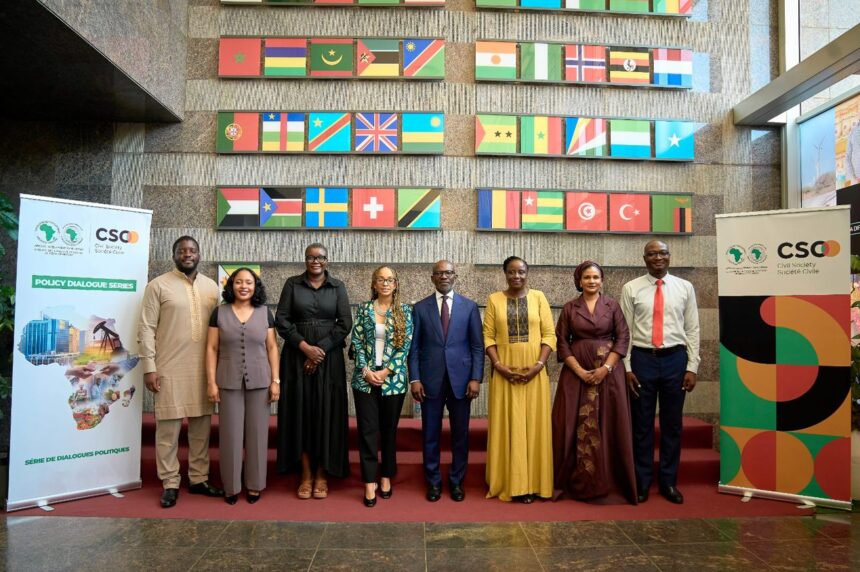
A major policy dialogue at the African Development Bank Group headquarters in Abidjan has spotlighted a critical paradox in Africa’s development financing—abundant capital exists, yet access remains a major barrier, particularly for young entrepreneurs.
Chief Siita Sofo Hissan, President of the AfCFTA Young Entrepreneurs Federation, represented over 500 million African youth at discussions on the New African Financial Architecture for Development (NAFAD), urging a shift from policy rhetoric to practical financing solutions.
Related Stories

According to insights shared at the forum, Africa holds nearly $4 trillion in domestic savings, with only about 10 percent required to bridge the continent’s development financing gap. However, stakeholders stressed that the core issue is not the availability of capital, but the inability of businesses—especially small and medium enterprises (SMEs)—to access it.
AfYEF described the estimated $330 billion SME financing gap as a “blockage,” arguing that capital is not reaching the entrepreneurs and youth who are central to Africa’s economic growth. The federation likened the situation to a critical bottleneck in the global system, warning that without deliberate reforms, growth opportunities will remain constrained.
Through ongoing Civil Society Organization engagements at the AfDB, AfYEF said it is working to ensure that youth perspectives are embedded in both policy design and implementation under NAFAD.
The federation is advocating for a restructured financial system that prioritizes inclusive access to funding, placing young entrepreneurs at the heart of Africa’s economic transformation agenda.
As NAFAD takes shape, financing must reach the hands that build,” Chief Hissan emphasized, calling for stronger mechanisms to unlock capital flows to Africa’s next generation of business leaders.