


Ghana is confronting fresh economic pressure following Burkina Faso’s indefinite suspension of fresh tomato exports—a move that threatens a vital supply chain and highlights the country’s heavy reliance on imports.
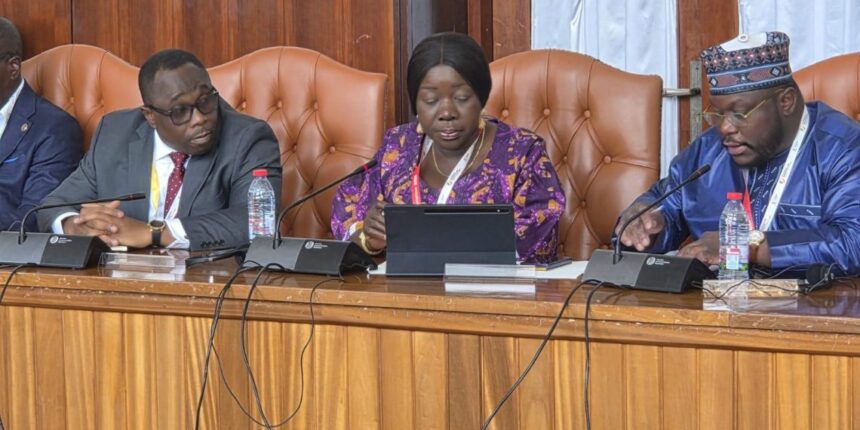
The issue came into focus during bilateral talks between the Minister for Trade, Agribusiness and Industry, Elizabeth Ofosu-Adjare, and the Burkinabè Ambassador on the sidelines of the 14th WTO Ministerial Conference.
Related Stories
At the heart of the discussions was the export ban, which the Minister described as a major concern for Ghana’s economy. The country sources an estimated 70 to 80 percent of its tomatoes from Burkina Faso, with the trade valued at roughly $400 million each year.
The suspension is expected to disrupt food supply and drive up prices, placing additional strain on households and businesses. Tomatoes, a staple in many Ghanaian diets, play a crucial role across the food value chain—from local markets to agro-processing industries. A shortage could therefore fuel inflation and affect livelihoods nationwide.
Beyond the immediate impact, the development exposes a deeper structural issue: Ghana’s dependence on external sources for key agricultural commodities. Analysts say the situation underscores the urgent need to boost domestic production, invest in irrigation systems, and expand agro-processing capacity to reduce vulnerability to such shocks.
Officials from Burkina Faso explained that the decision forms part of a broader industrial policy aimed at supporting newly established tomato processing factories, with a focus on retaining raw materials for local value addition and industrial growth.
Despite the disruption, both countries reaffirmed their commitment to strengthening bilateral ties and working toward a mutually beneficial resolution. Ghana is expected to intensify diplomatic engagement while exploring alternative supply options and accelerating efforts to increase local production.
Madam Ofosu-Adjare emphasized that resolving the impasse is critical not only for trade relations but also for protecting Ghana’s food security and economic stability.