

Mohamed Adam Yakubu
Ghana’s ambitious renewable energy drive is being framed not only as an environmental necessity but also as a major engine for job creation and local economic growth. Minister for Energy and Green Transition, John Jinapor, has highlighted how the country’s shift toward clean energy will open up thousands of employment opportunities for young people, artisans, and entrepreneurs across the country.
Related Stories

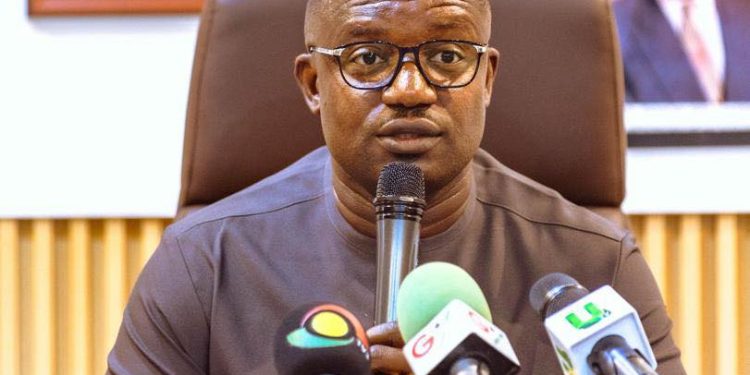
Speaking at the Government’s Accountability Series at Jubilee House on Wednesday, July 16, Mr. Jinapor explained that new solar projects, floating plants, and clean cooking solutions are being deliberately designed to maximize local participation. For instance, floaters for the 25-megawatt floating solar plant at the Bui Power Station are being manufactured in Ghana, ensuring that local industries benefit directly from the transition.
Under the initiative, 12,000 net-meter solar PV systems will be installed in homes, 35 mini-grids will power 47 island communities, and 1,450 solar home systems will be distributed to off-grid households and public institutions. A 200-megawatt nationwide solar project is also underway, offering further opportunities for technicians, engineers, and suppliers.
“These are not just projects about power supply — they are about jobs, skills, and innovation for Ghanaians,” Mr. Jinapor stressed. He added that training programs under the International Solar Alliance (ISA) will equip citizens with technical expertise in solar energy, ensuring that young people can take advantage of emerging opportunities in Africa’s green economy.
Beyond electricity, the government is distributing 450,000 LPG cook stoves, shifting 23,500 streetlights to solar power, and rolling out an electric vehicle promotion program. According to the Minister, these initiatives will reduce pressure on the national grid while simultaneously creating new markets for local businesses in manufacturing, maintenance, and supply chains.
To ensure sustainability, the government is finalizing a five-year roadmap and has established a Renewable Energy and Green Transition Fund to attract private sector financing and investment.
“This green transition is an economic transformation as much as it is an environmental one. From streetlight technicians to solar engineers and EV mechanics, new industries are emerging that will create livelihoods for thousands of Ghanaians,” Mr. Jinapor said.
With these measures, Ghana is positioning itself as not just a climate leader, but also a hub for green jobs and sustainable economic opportunity in Africa.