Business Week GhanaBusiness Week Ghana
  • Home
  • General News
    • Company/Corporate News
    • Construction/Real Estate
    • Environment
    • Education
    • Health
    • Manufacturing
    • Mining
    • Technology
    • Telecoms
    • Tourism
  • Politics
    • Political Economy
  • Trade
  • Banking and Finance
    • Finance
    • Insurance
  • Energy News
  • Agribusiness
  • Transport & Maritime
    • Aviation
    • Motoring
  • Features
    • Editorial
  • Special Report
    • Photo Gallery
    • Movie Box Free
    • Free Stories Writer
    • Free Tomato Anime
    • Free Face Shape Detector
Reading: 53% of all pregnancies in Ghana are unwanted
Share
Font ResizerAa
Business Week GhanaBusiness Week Ghana
Font ResizerAa
Search
  • Home
  • General News
    • Company/Corporate News
    • Construction/Real Estate
    • Environment
    • Education
    • Health
    • Manufacturing
    • Mining
    • Technology
    • Telecoms
    • Tourism
  • Politics
    • Political Economy
  • Trade
  • Banking and Finance
    • Finance
    • Insurance
  • Energy News
  • Agribusiness
  • Transport & Maritime
    • Aviation
    • Motoring
  • Features
    • Editorial
  • Special Report
    • Photo Gallery
    • Movie Box Free
    • Free Stories Writer
    • Free Tomato Anime
    • Free Face Shape Detector
Follow US
Business Week Ghana > General News > Health > 53% of all pregnancies in Ghana are unwanted
General NewsHealth

53% of all pregnancies in Ghana are unwanted

Kofi Ahovi
Last updated: September 22, 2020 9:24 pm
Kofi Ahovi
Share
6 Min Read
NPC, marie stopes
SHARE

A recent Guttmacher report published in April 2020 shows that more than half (53%) of all pregnancies in Ghana are unintended and about 71% of all abortions are illegal.

Related Stories

Senegal reinstated as Afcon 2025 winners by court ruling
Affordability, margin pressure, innovation to drive consumption in 2027– FMCGs urged to prepare
Secret Call Recordings And Undisclosed Conference Calls: Why Ghana Needs A Call Privacy Alert System
Maison Yusif Fragrance Donates to Rahman Orphanage and Basic School, Reinforcing Its Commitment to Giving Back
Stanbic Bank ranked among Ghana’s best; thanks clients for their continued trust

According to the report, northern zone recorded 23%, coastal zone recorded 51% while the middle zone recorded 66%. An estimated 23% of all pregnancies in Ghana in 2017 ended in abortion.

Again, the Ghana Statistical Service 2017 Maternal Health Survey shows that 32% of all 19 years olds are already mothers and evidence from the Ministry of Education’s Education Management Information System further confirms this unfortunate fate; 6,607 pregnancies from upper primary – SHS in the 2017/2018 academic year alone and this increased to about 7,293 pregnancies in the 2018/2019 academic year. Recent reports from the central region gender office stated about 4,100 teenage pregnancies were recorded from January to May alone; and while this is celebrated as a reduction of 500 pregnancies from last year, a report of over 4,000 adolescent pregnancies in one region alone should make any development-oriented person shiver.

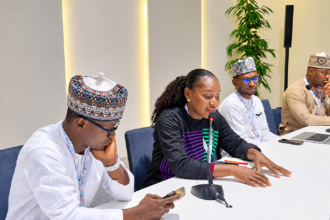
Disclosing these figures at the pre-launch of the this year’s World Population Day in Accra, Patricia Antwi-Boasiako, Deputy Director – Operations and Advocacy at Marie Stopes Ghana, said, during the covid-19 lockdown in April 2020 her institution projected that 26,000 women and girls in Ghana could lose access to contraception due to significant reductions in service provision for three months (April – June) at Marie Stopes Ghana clinics, outreach areas, and private bluestar clinics due to covid-19. “This reduction in access to services, we foresee, could be as high as 58,000 women and girls if Covid-19 persist till December 2020” said Antwi-Boasiako.

“That is why for us as Marie Stopes Ghana, this year’s World Population Day theme, “Putting the brakes on COVID-19: how to safeguard the health and rights of women and girls now, couldn’t be more appropriate”, she noted. She was of the view that safeguarding the health of women and girls, really translates to safeguarding the future and the economy; “when families, women and girls are adequately empowered and supported to plan their lives and decide when and how to have children, they are able to achieve their academic and career aspirations and thus contribute meaningfully to the economy”.

“Our ability to achieve the SDGs in 10years, to safeguard the future of our girls and ensure our development gains are indeed progressive and sustainable, depends largely on the investments we make today as a country”, she stated.

Dr. Leticia Adelaide Appiah- the Executive Director of National Population Council (NPC), on her part observed that, globally, the pandemic is threatening to derail many efforts including efforts to achieve zero maternal deaths, zero unmet needs for family planning and zero sexual and gender based violence and harmful practices targets which are necessary in meeting SDG goals and in the Ghana Beyond Aid agenda.

She stressed that the NPC and its partners are committed to safe guarding the hard-fought gains and ensuring that sexual reproductive health rights and service stays on the local agenda to enlist societal and political wills in maintaining the momentum towards achieving the SDGs by 2030.

Dr. Appiah argued that investing in reproductive health would contribute to healthier individuals, healthier families, which would contribute to stronger and wealthier nations. She stressed that investments in reproductive health safeguards the lives of women and children, improves family and community wellbeing and boost economic gains; and yet as a country, we are far from achieving the benefits of reproductive health.

She added that the pandemic has presented the world a chance to address the imbalance to build strong and resilient health system and equitable development of all including women and girls. “Healthy and empowered women can bring about the change needed to create as sustainable future for all,” she noted.

The World Population Day is an annual event, observed on July 11 every year, which seeks to raise awareness of global population issues. The concept was established by Governing Council of the United Nations Development Programme in 1989. WPD is celebrated in Ghana by National Population Council with support from the United Nations Population Fund and other development partners.

World Population Day aims to increase people’s awareness on various population issues such as the importance of family planning, gender equality, poverty, maternal health and human rights.


By Kofi Ahovi


TAGGED:Marie StopesNational Population CouncilNPCpregnancies in Ghana
Share This Article
Facebook Copy Link Print

Latest stories

MTN Reaffirms Long-Term Commitment To Ghana As Leadership Calls On Finance Minister
General News
Newmont celebrates 20 years of Ahafo operations, pledges lasting value for Ghana
General News Mining
Hearts, Kotoko Handed Tricky Ties in MTN FA Cup Round of 64
General News Sportsbiz
AbibiNsroma Foundation calls for delivery of adaptation finance ahead of COP32
General News
AbibiNsroma Foundation urges climate justice after COP31 ends without consensus
General News
ESPA Calls For Dedicated Waste Disposal Site For Aboboyaa Operators In Ghana
Environment General News
Jospong’s AAC and Turkish ChitoGlobal Team Up to Test Shell-Based Crop Treatments in Ghana
General News
Age Industries Wins GHc300,000 As Theophilus Aboagye Emerges National Champion of Maiden MTN National Business Pitch
General News
Trust Beyond Contracts: MTN Ghana Challenges Vendors to Build Stronger, Transparent Partnerships
General News
EEZZY Group Foundation Boosts Black Challenge with $2,000 per Player, Promises $8,000 World Cup Bonus
General News Life & Style Sports Sportsbiz

Up Next

MTN National Business Pitch Competition: Grand finale set for Nov 21

November 24, 2026
Fintech, Mobile Money, Fraud, Academic City,
EducationGeneral News

Fintech Stakeholders Call for Stronger Cybersecurity and Consumer Protection in Ghana

November 19, 2026
Princess Alexia Kpedator Launches SO LEXIA — A National Movement to Give Ghanaian Youth A Lifetime Meal Ticket
BusinessCompany/Corporate NewsGeneral NewsMarket researchTech

Princess Alexia Kpedator Launches SO LEXIA — A National Movement to Give Ghanaian Youth A Lifetime Meal Ticket

November 18, 2026
Sustainability, Climate Communication, Jospong Group
General News

Jospong Sustainability Officer Calls for Inclusive, Local Language Climate Communication

November 17, 2026

About Us

Find Us on Socials

Menu

  • Contact
  • About Us
  • Privacy policy
  • Advertising
  • Partners

Latest Business News

  • Senegal reinstated as Afcon 2025 winners by court ruling
  • Affordability, margin pressure, innovation to drive consumption in 2027– FMCGs urged to prepare
  • Secret Call Recordings And Undisclosed Conference Calls: Why Ghana Needs A Call Privacy Alert System
  • Maison Yusif Fragrance Donates to Rahman Orphanage and Basic School, Reinforcing Its Commitment to Giving Back
Business Week GhanaBusiness Week Ghana
Welcome Back!

Sign in to your account

Username or Email Address
Password

Lost your password?